This page will be updated after each day with a photo gallery. Check back during congress for updates.
Photos will be released when this day is finished.
Content goes here. Please dont upload images straight from the photographer. Scale down to something like 800x600pixels because we don’t need something 2560 pixels wide. Online resizer: https://squoosh.app/editor

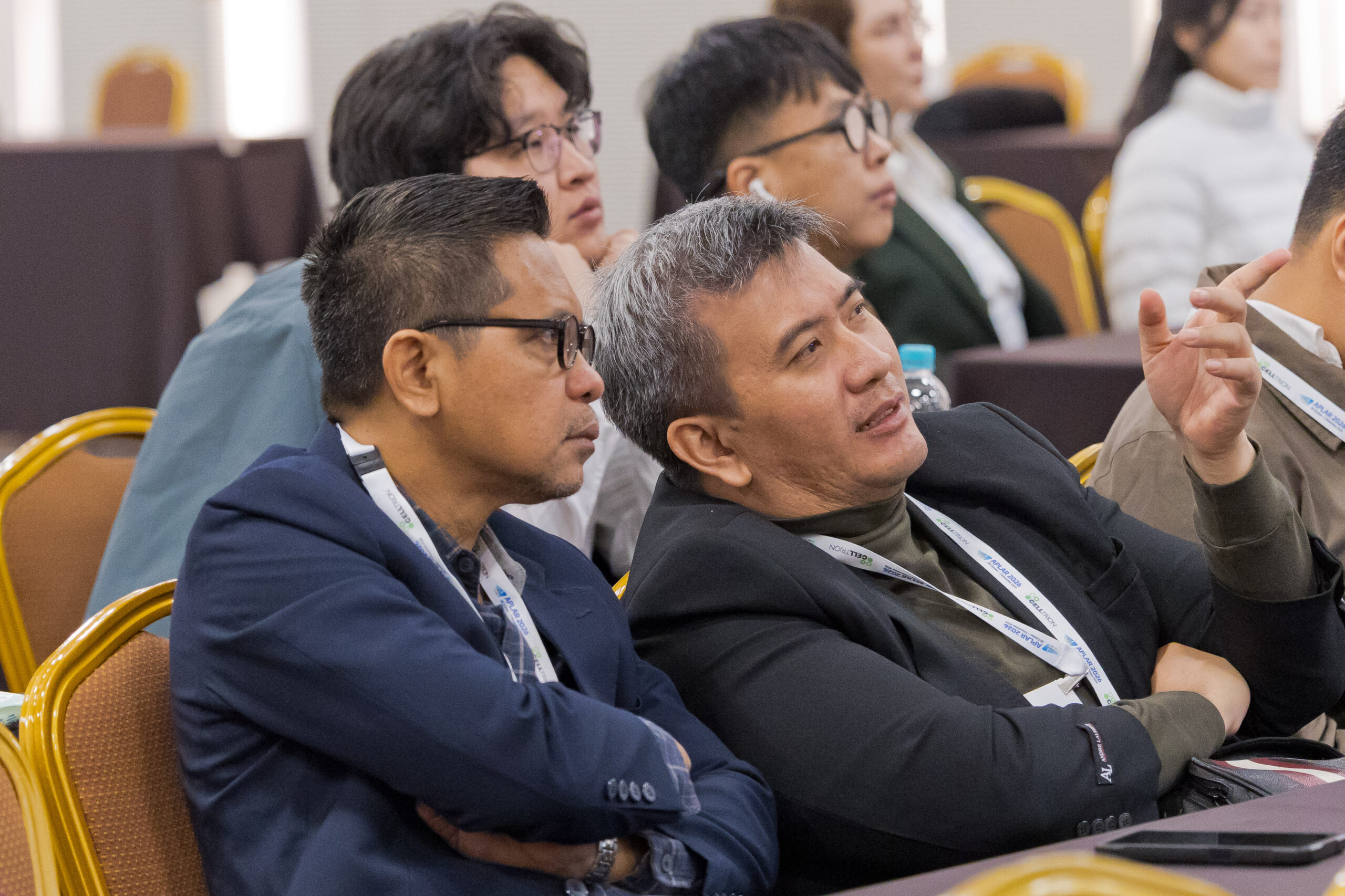
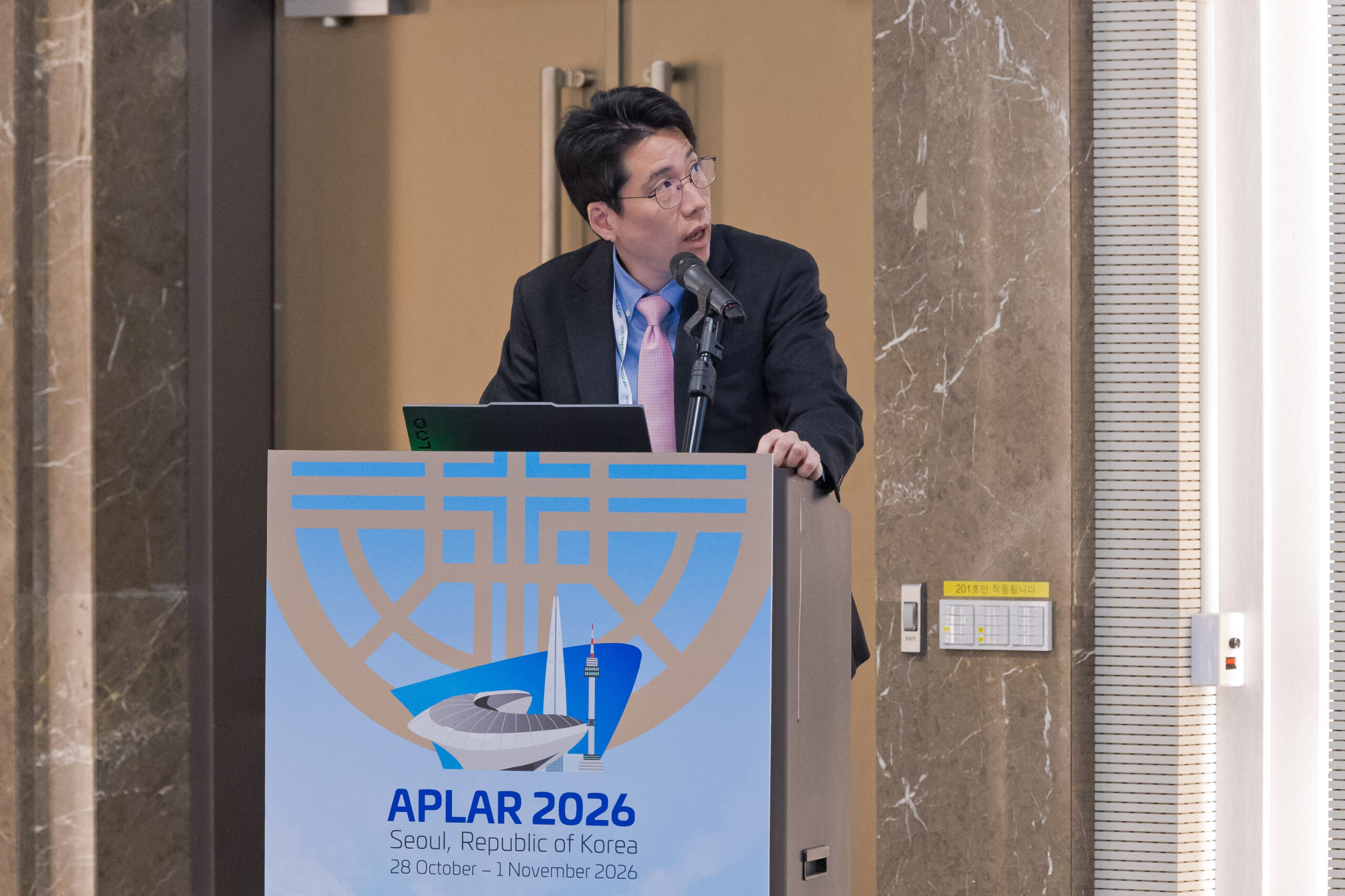

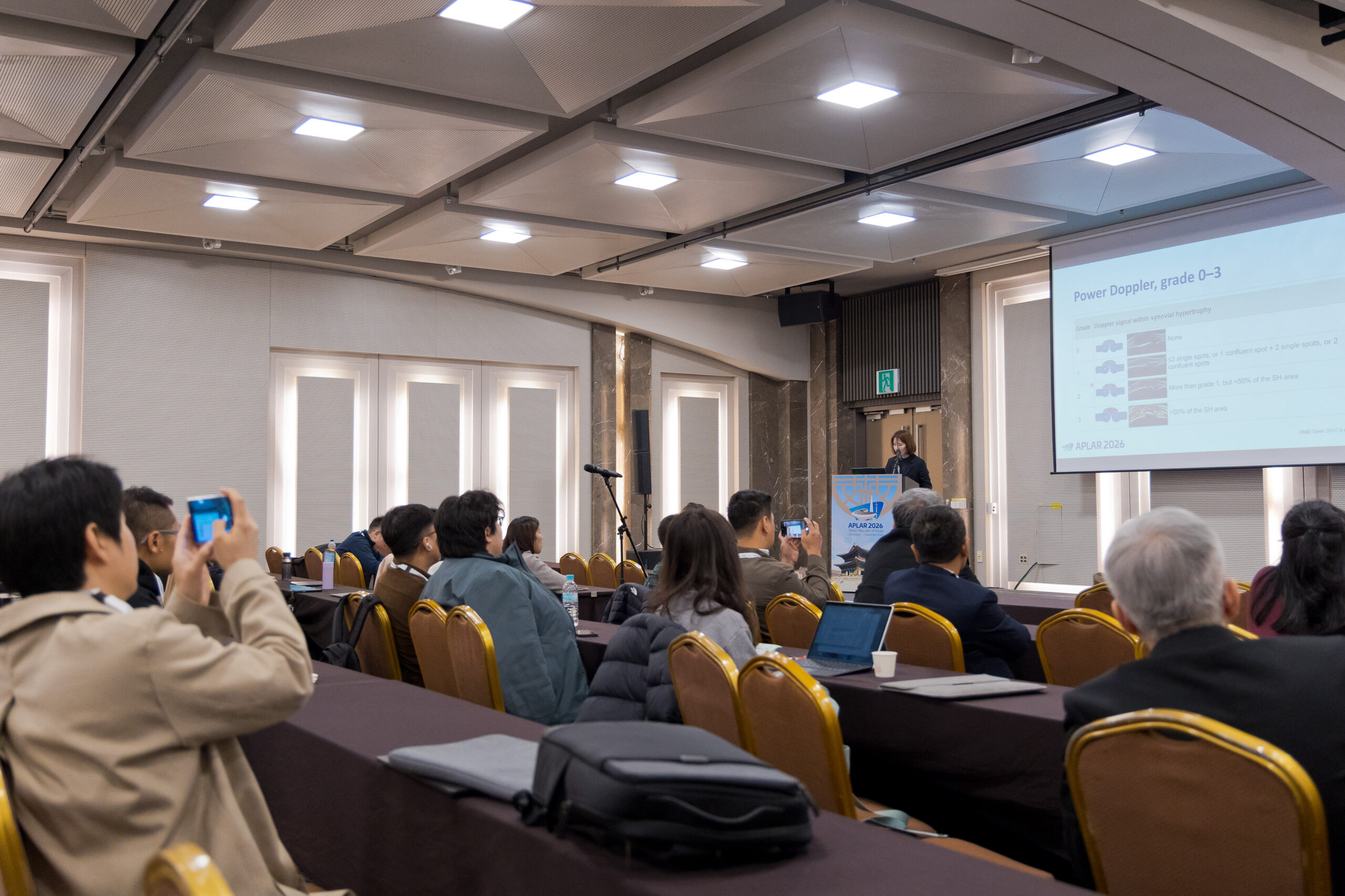


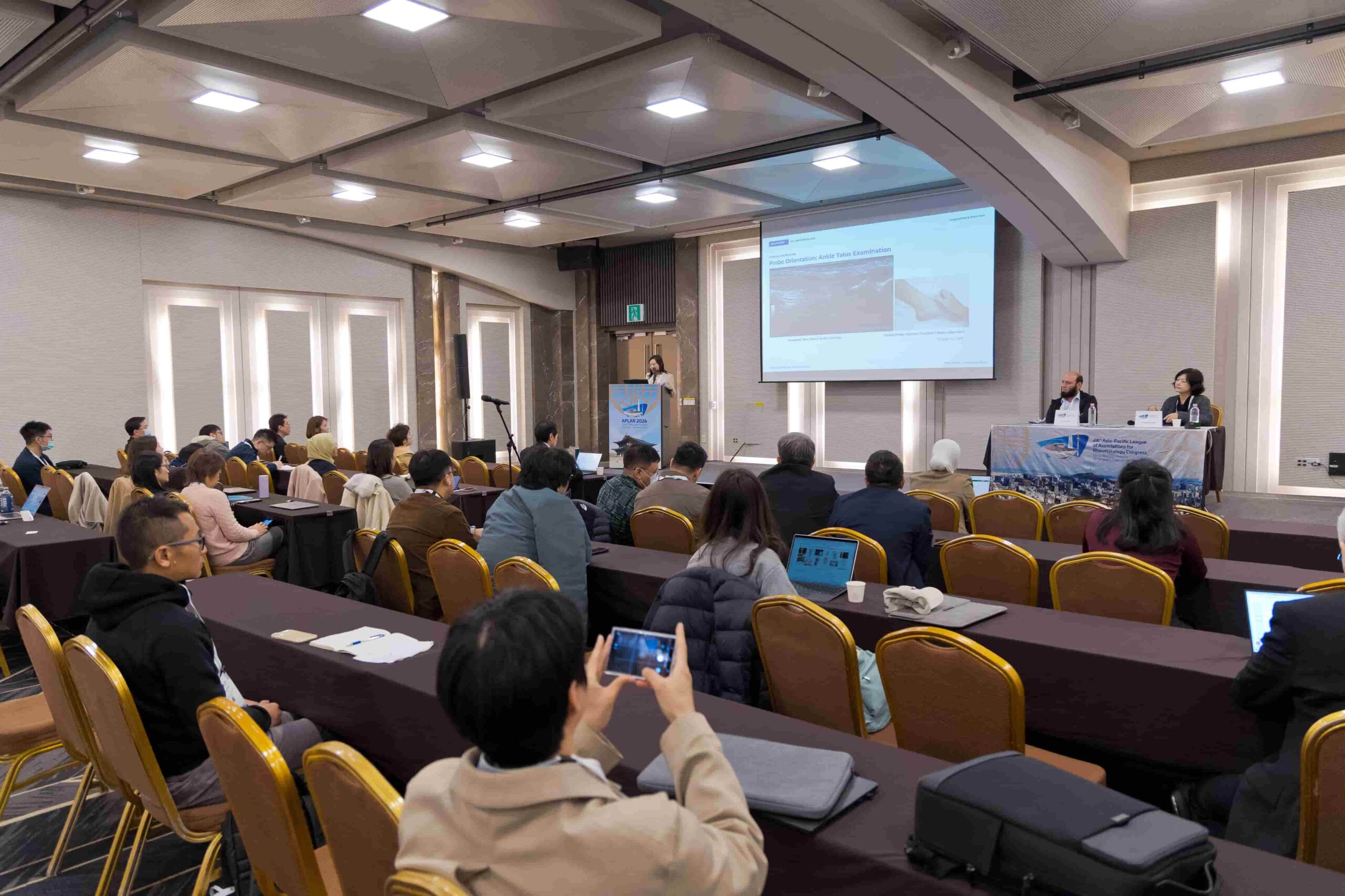
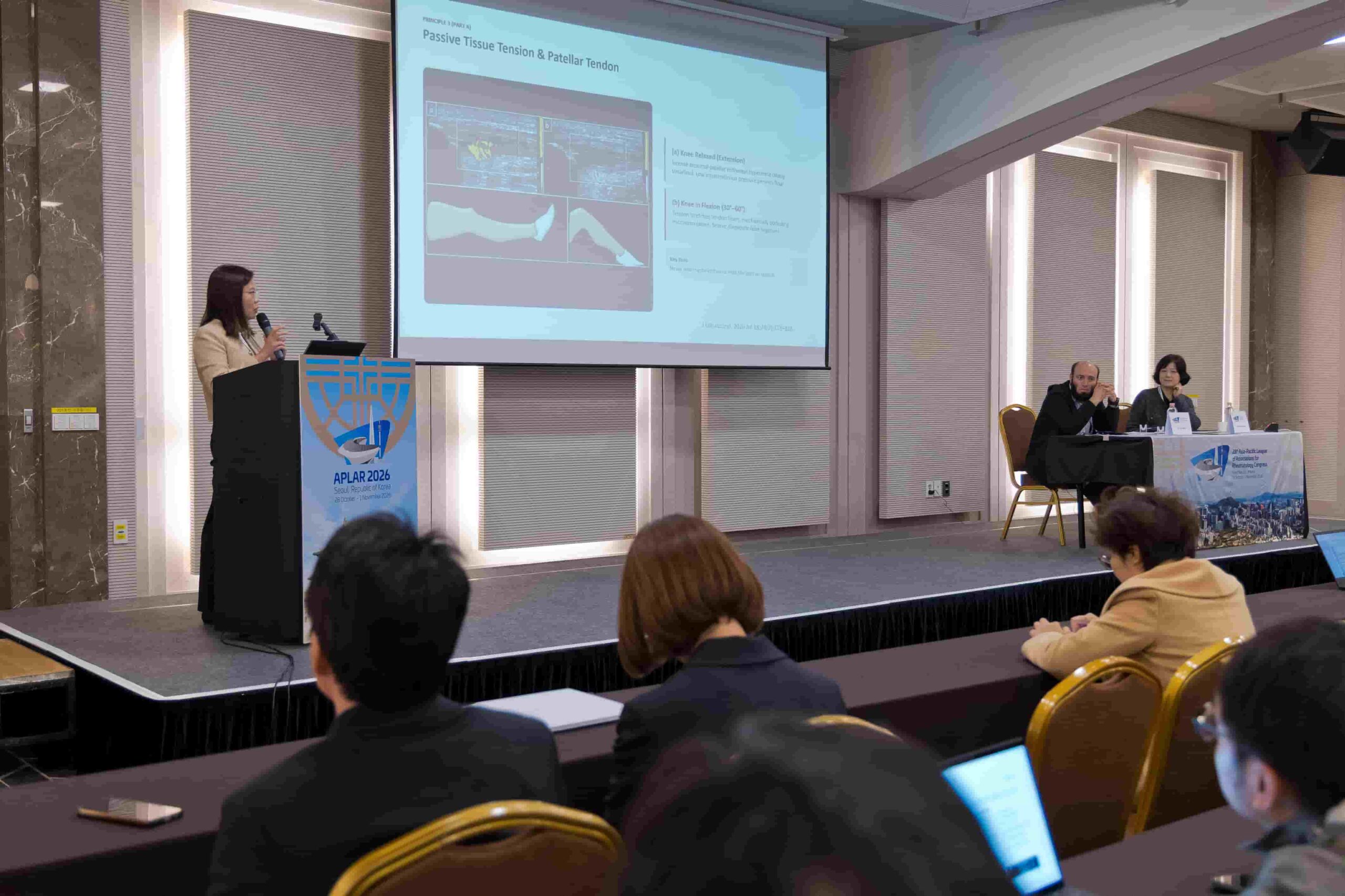





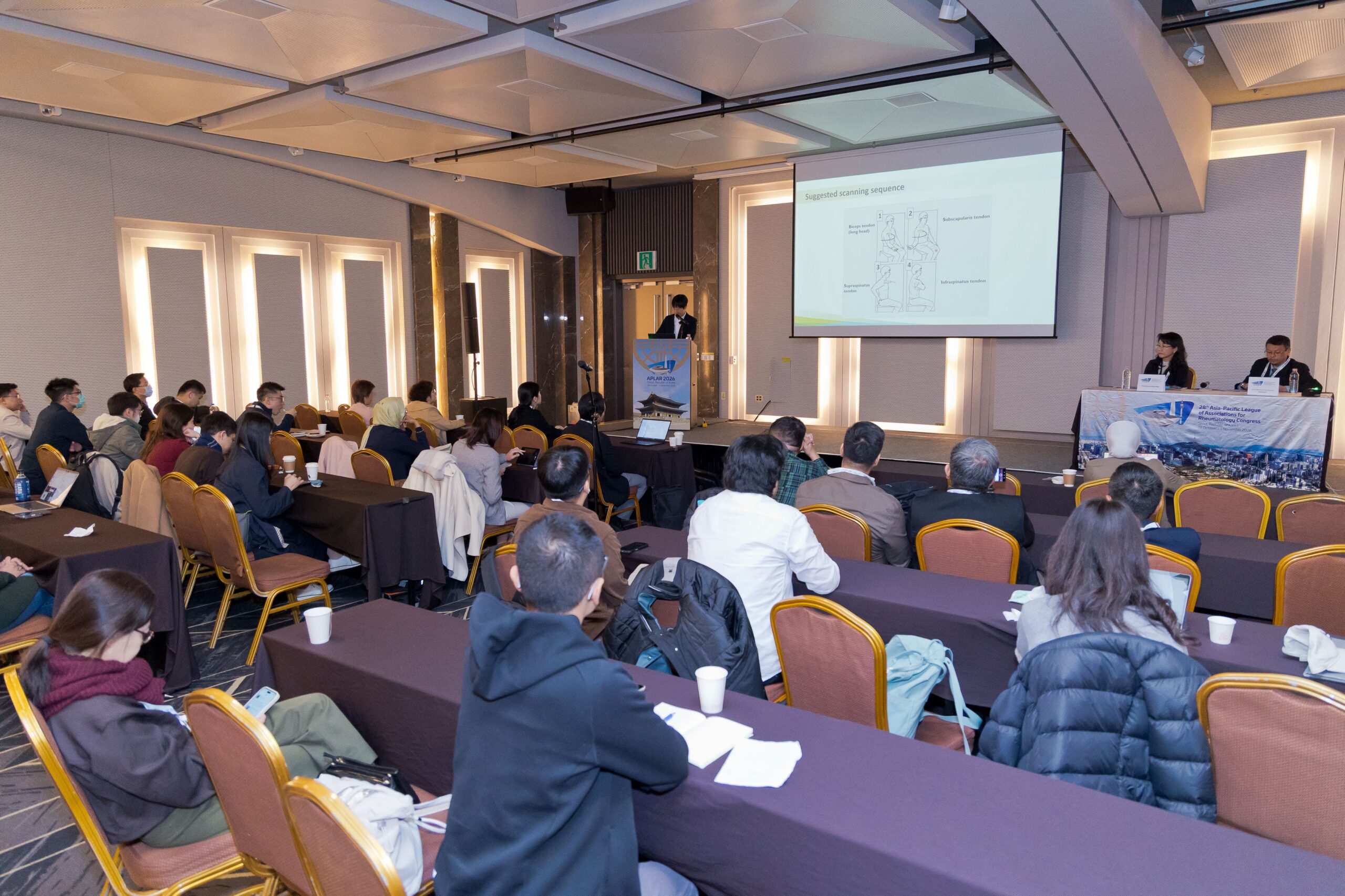
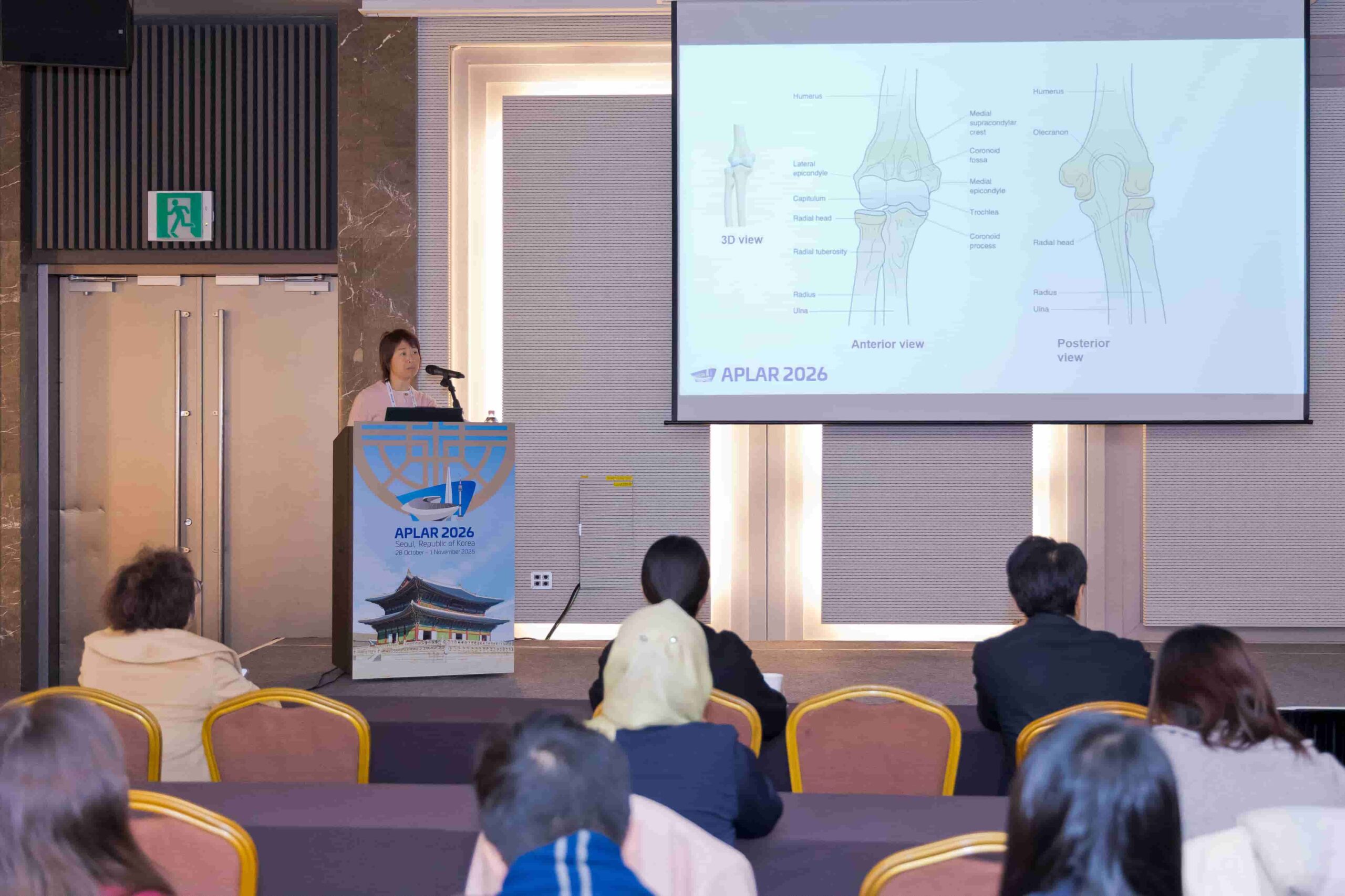
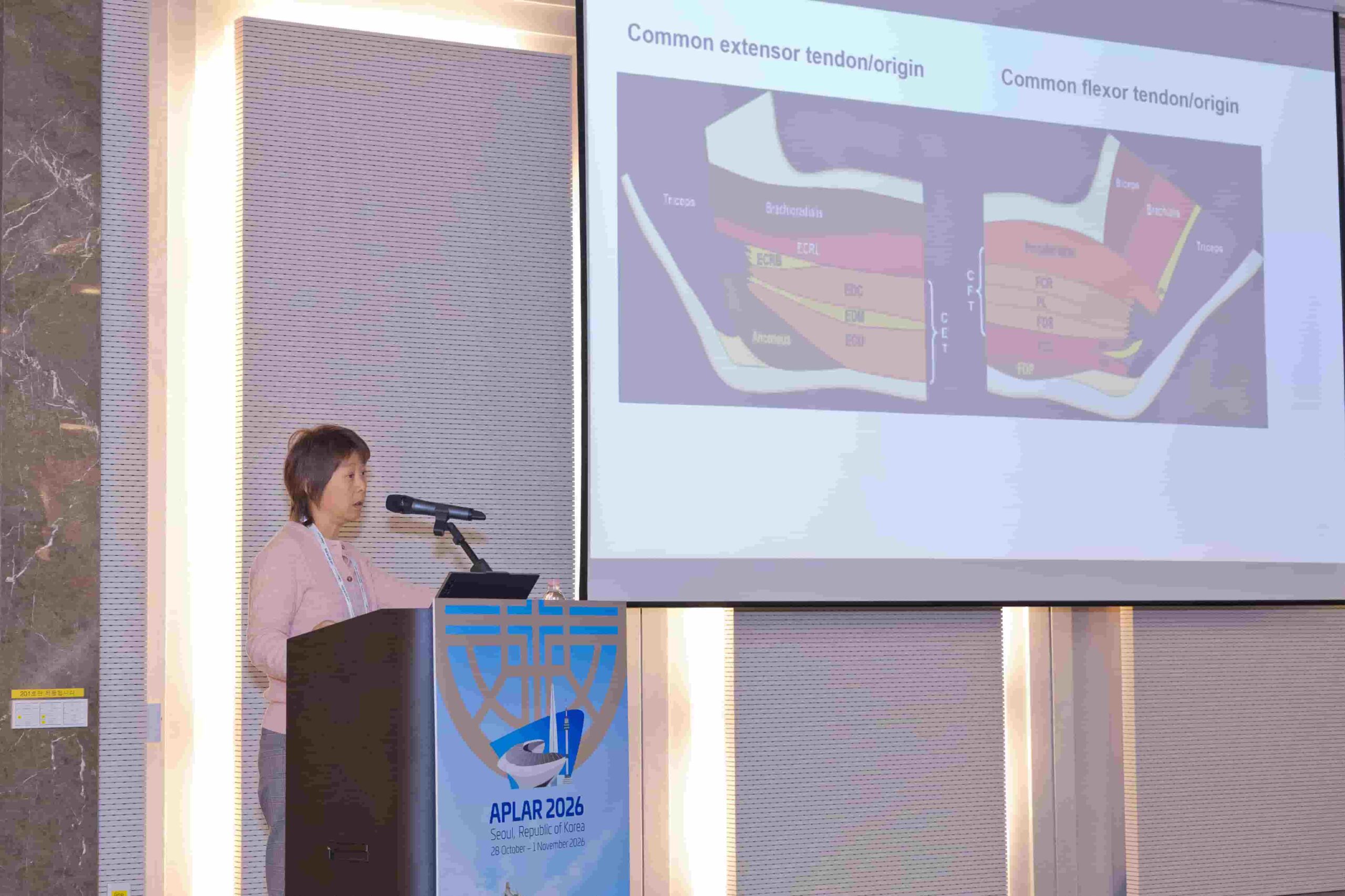
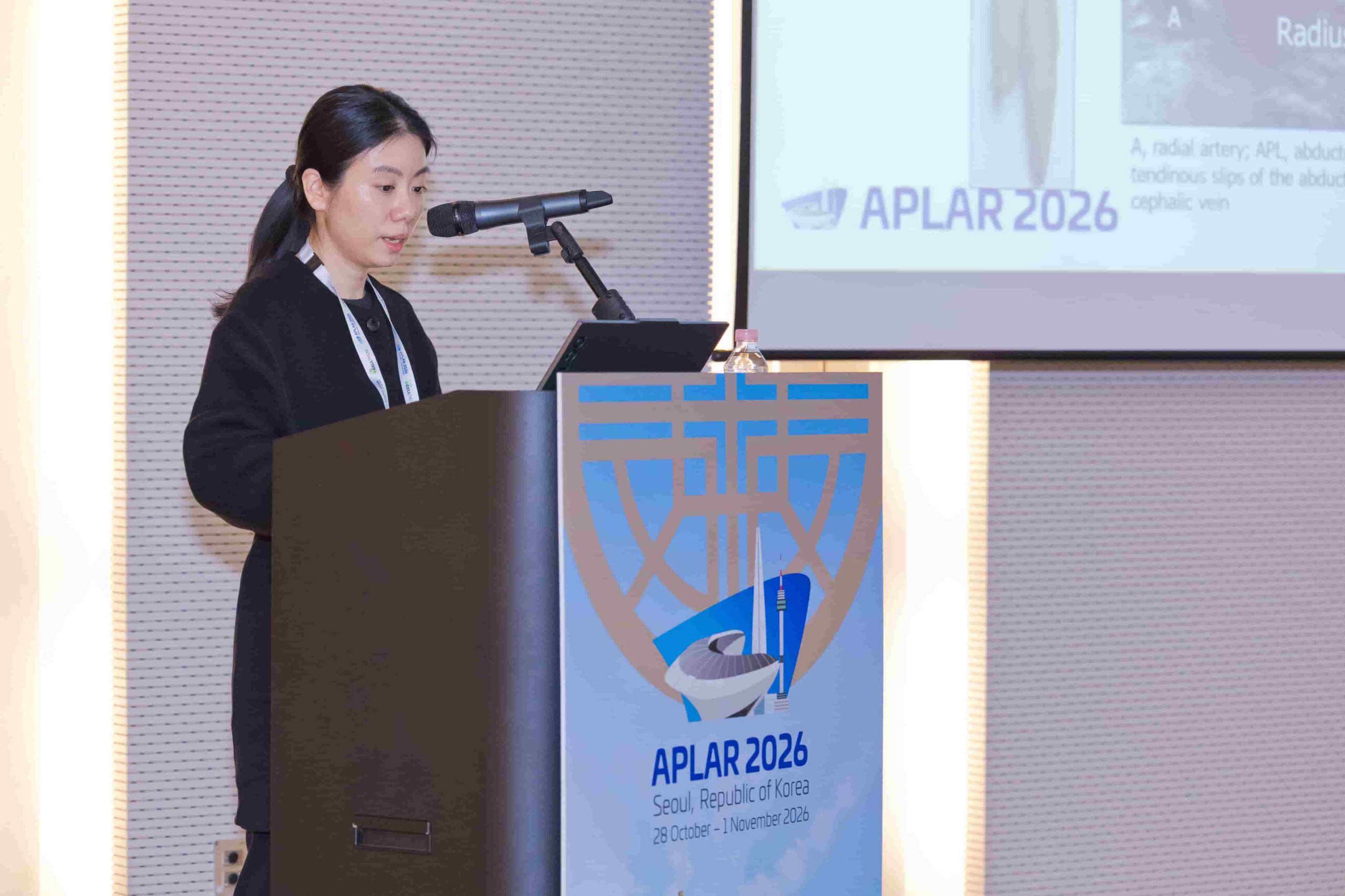
Photos will be released when this day is finished.











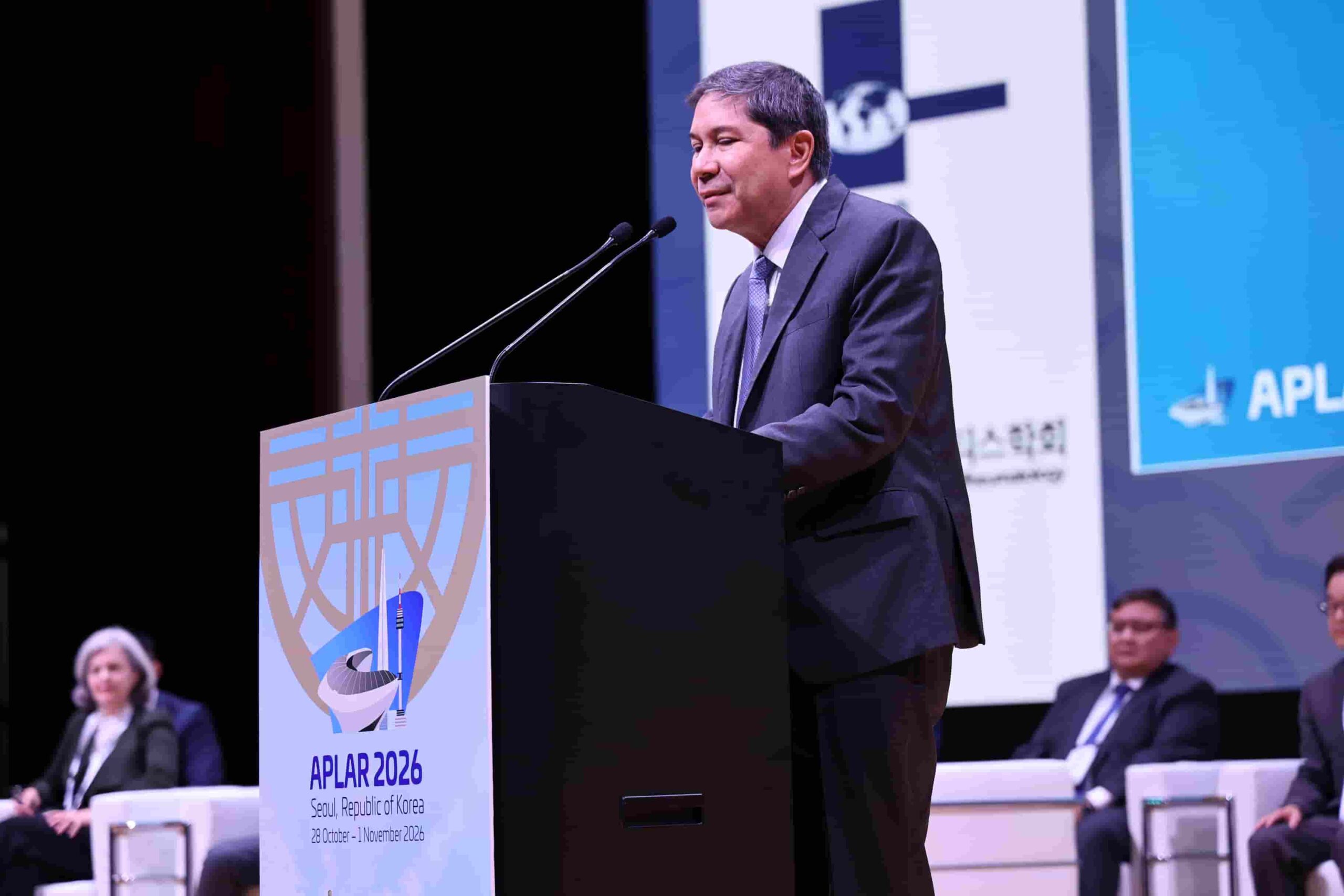
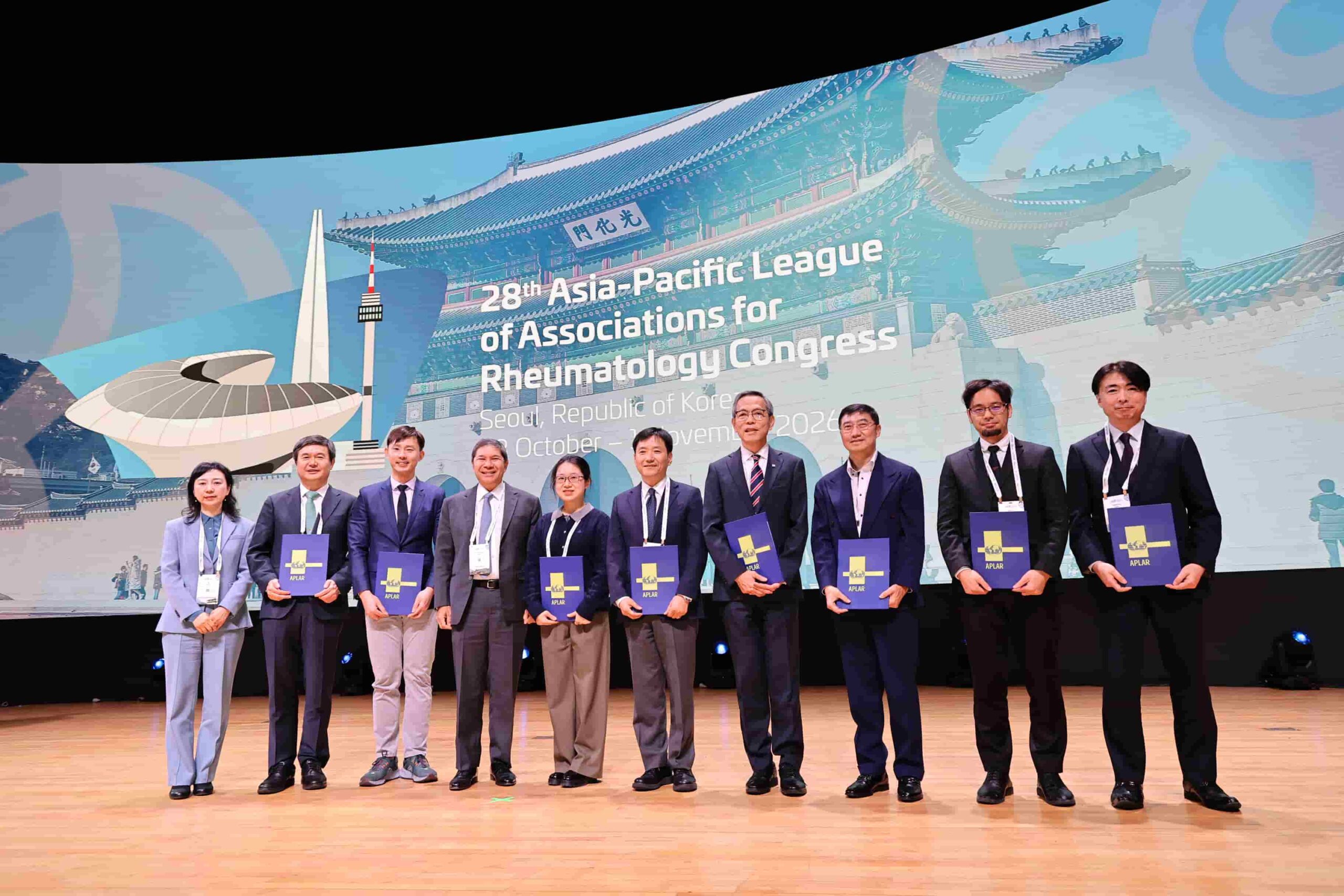

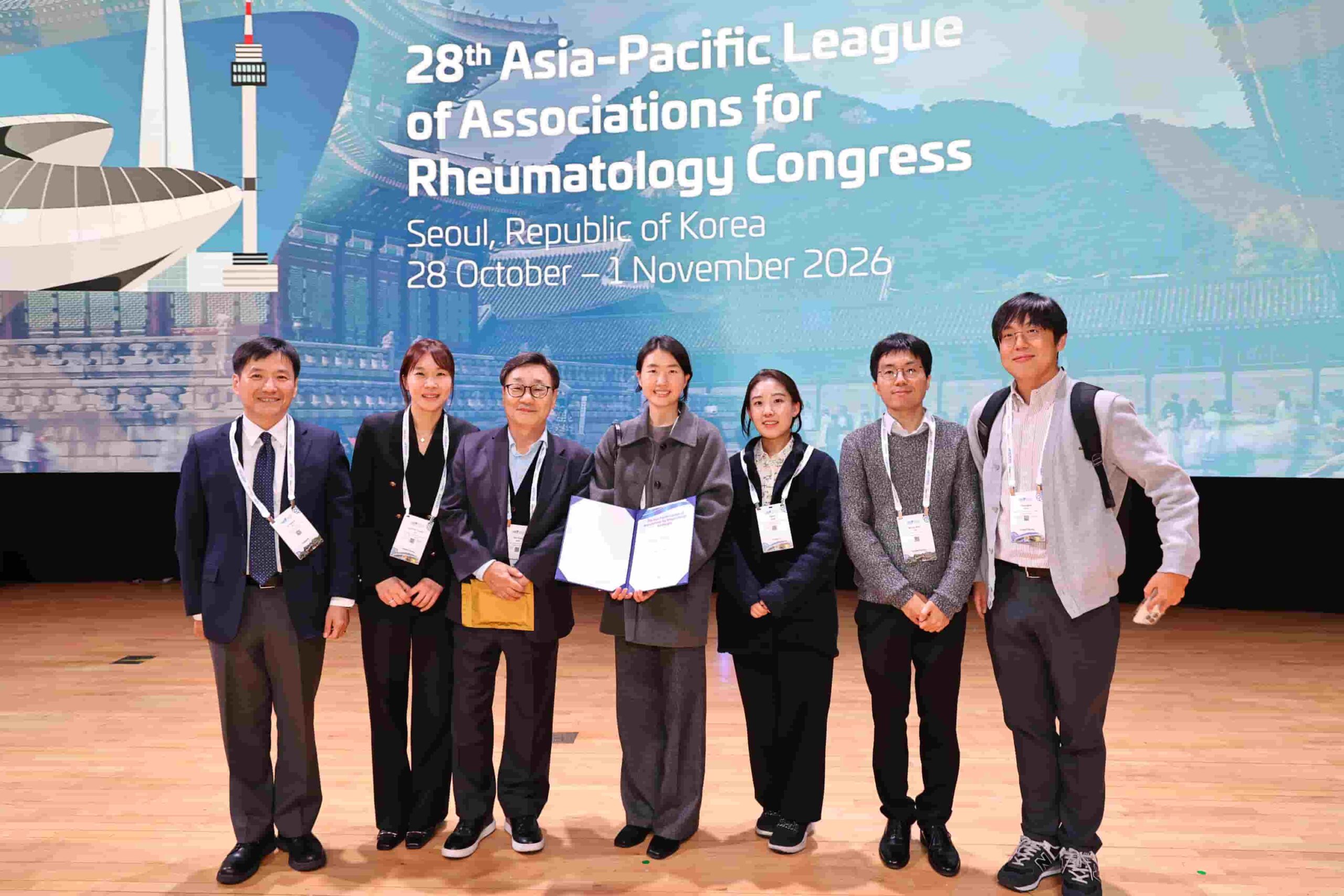

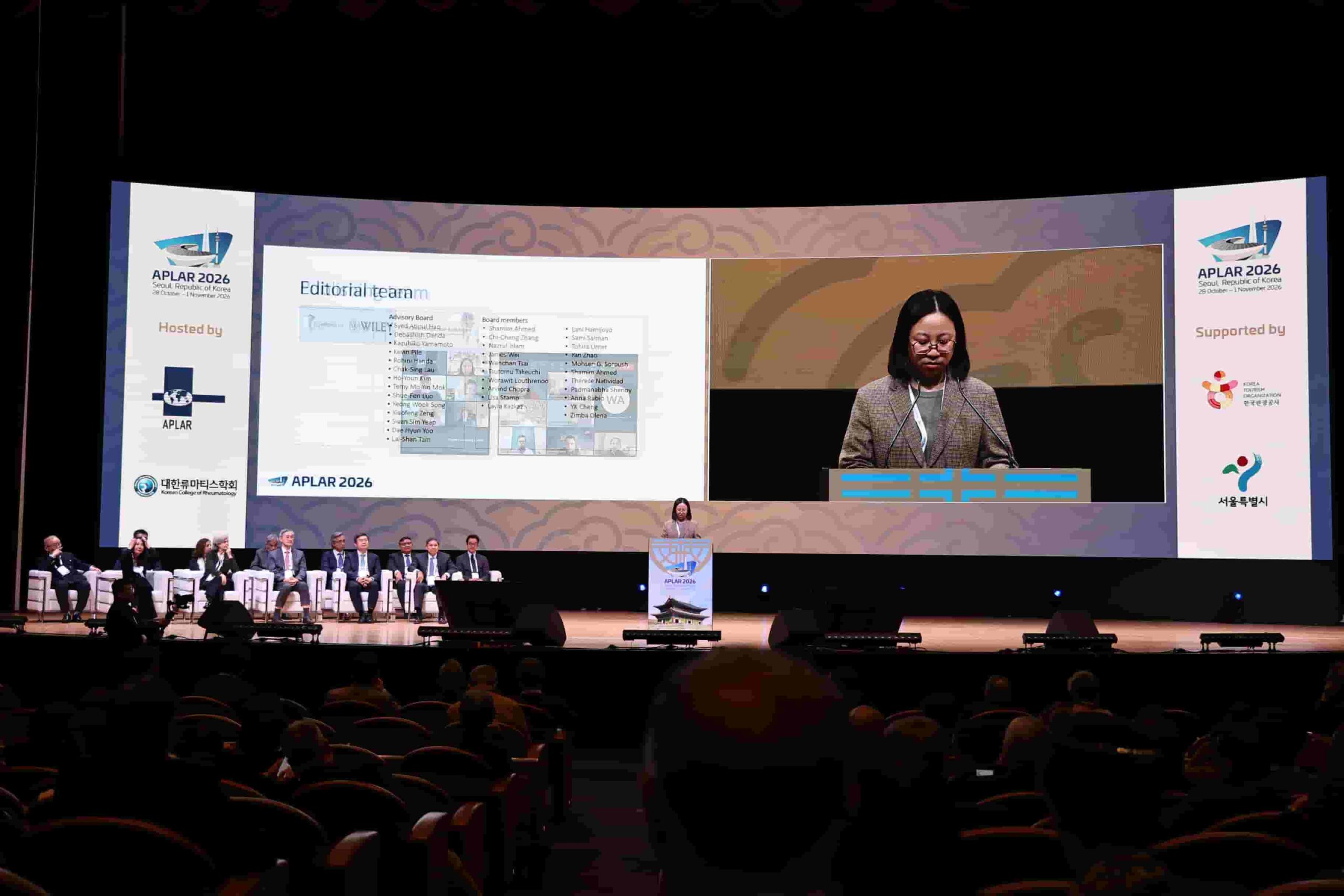
Content goes here. Please dont upload images straight from the photographer. Scale down to something like 800x600pixels because we don’t need something 2560 pixels wide. Online resizer: https://squoosh.app/editor
Photos will be released when this day is finished.
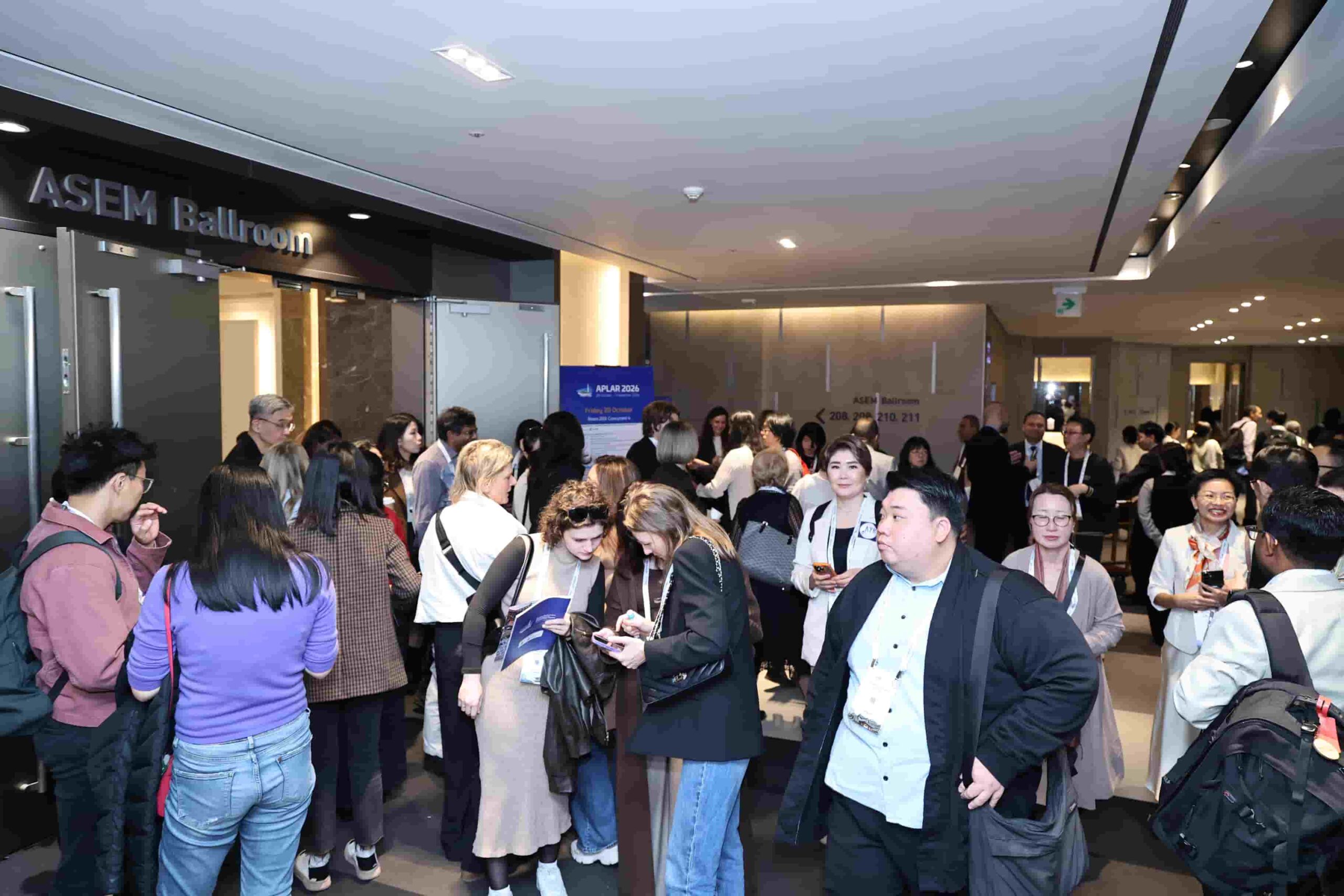

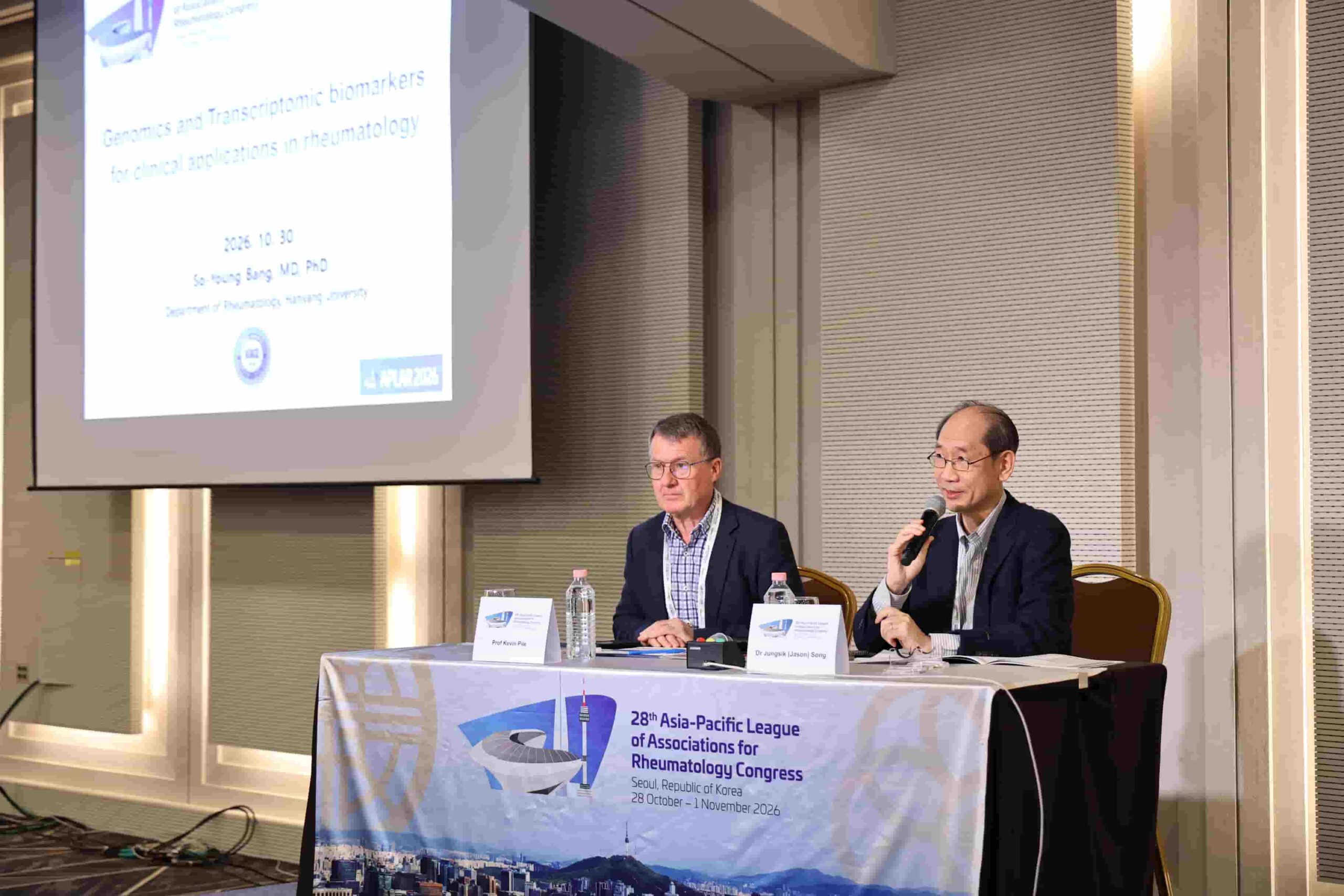
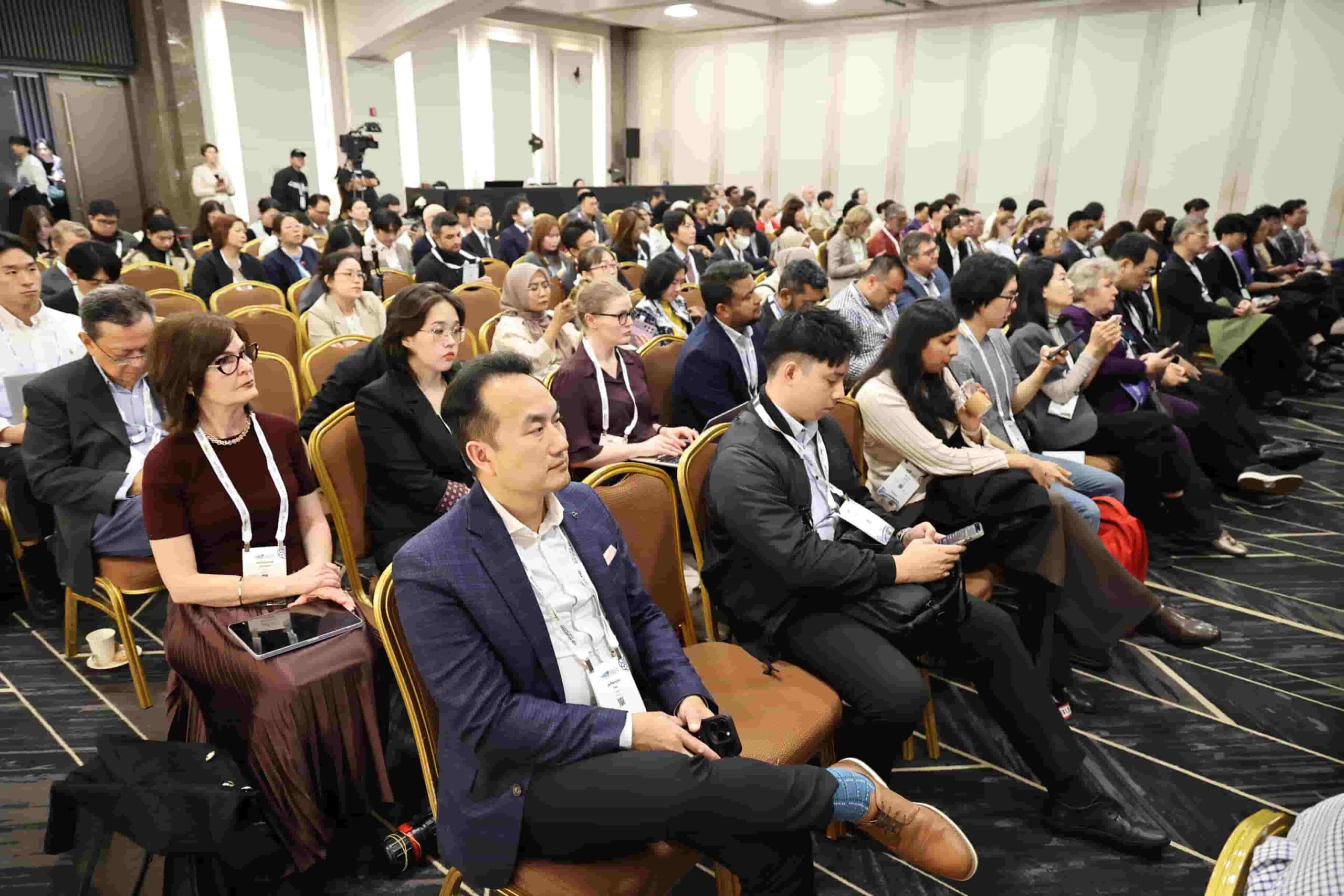


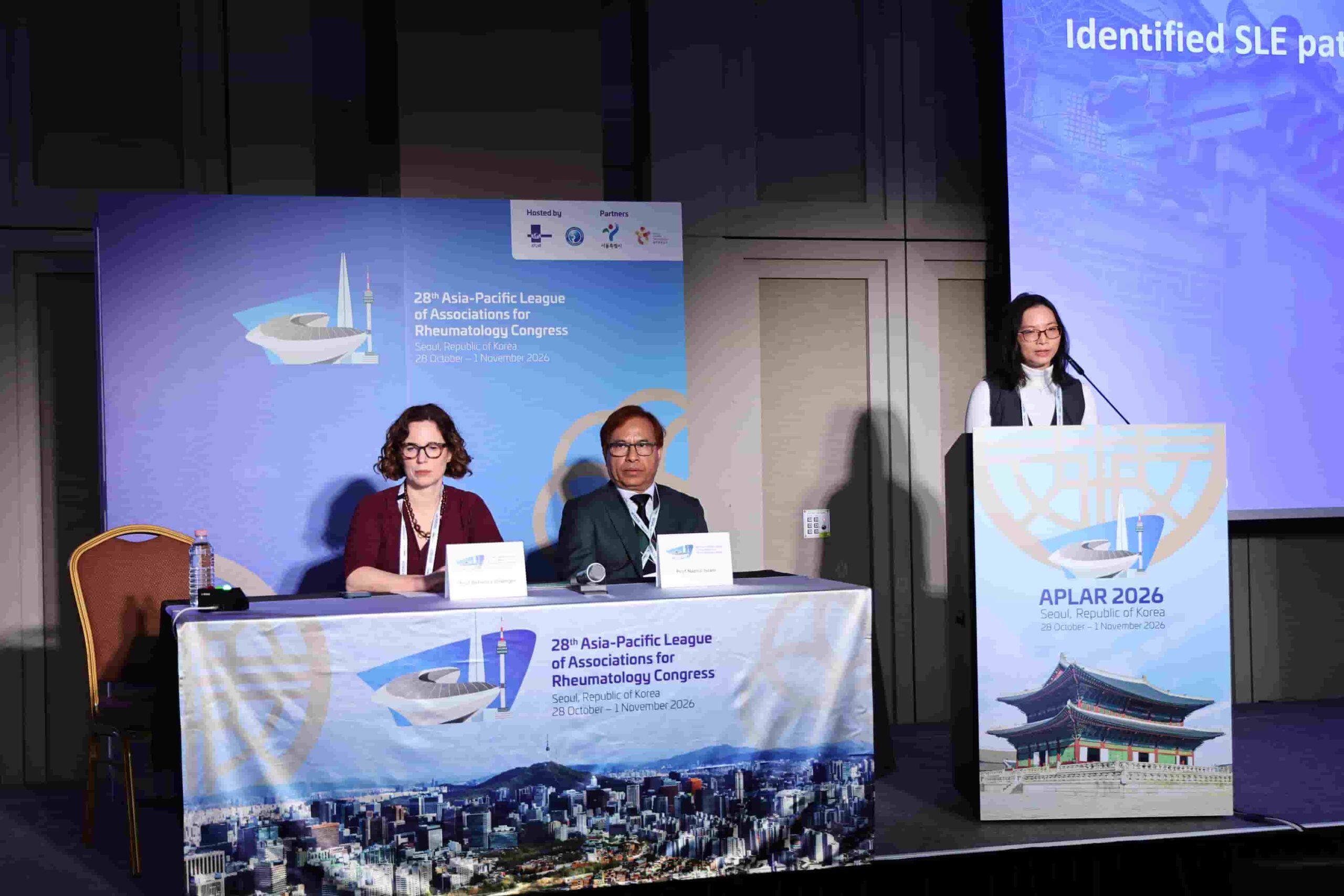
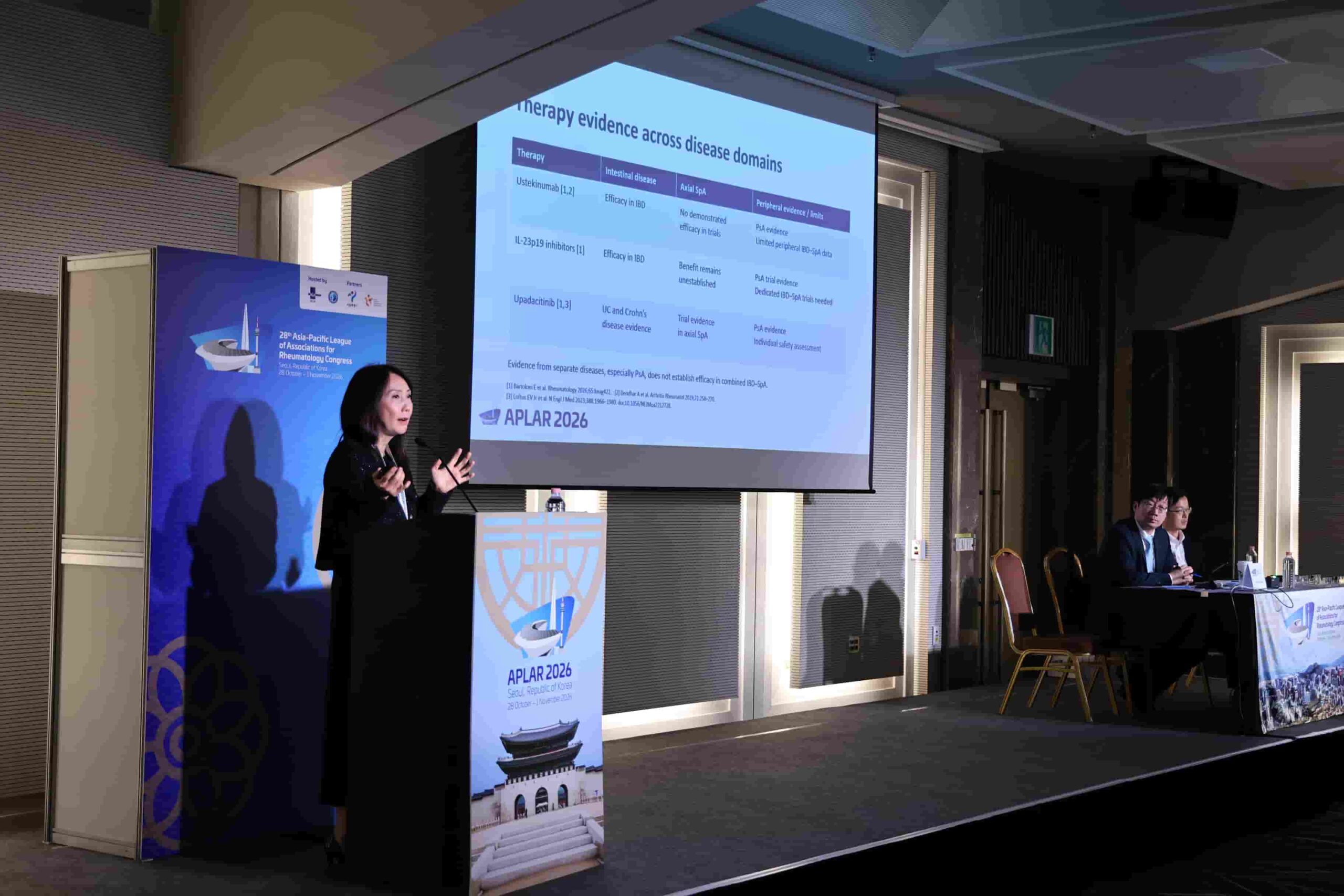
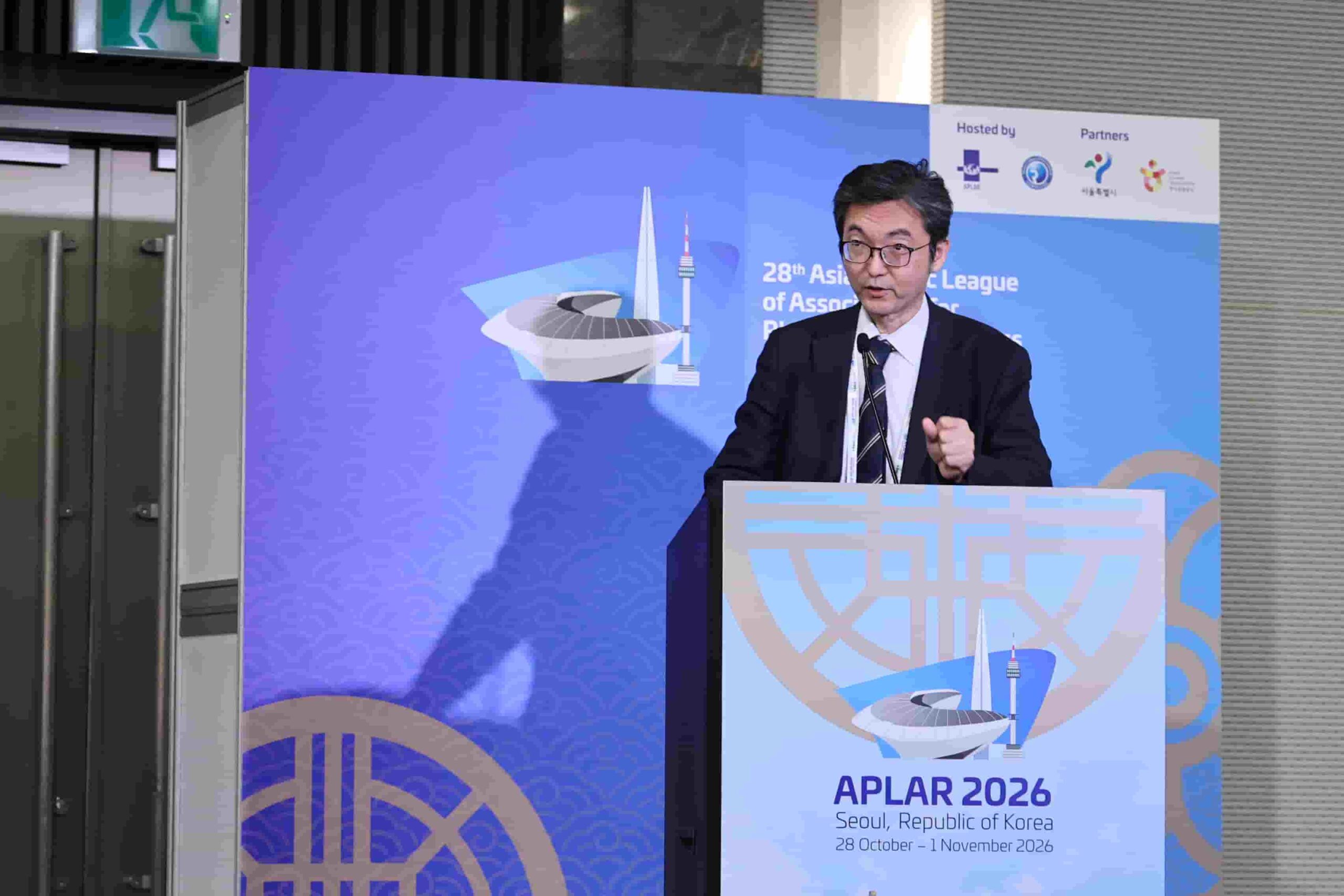
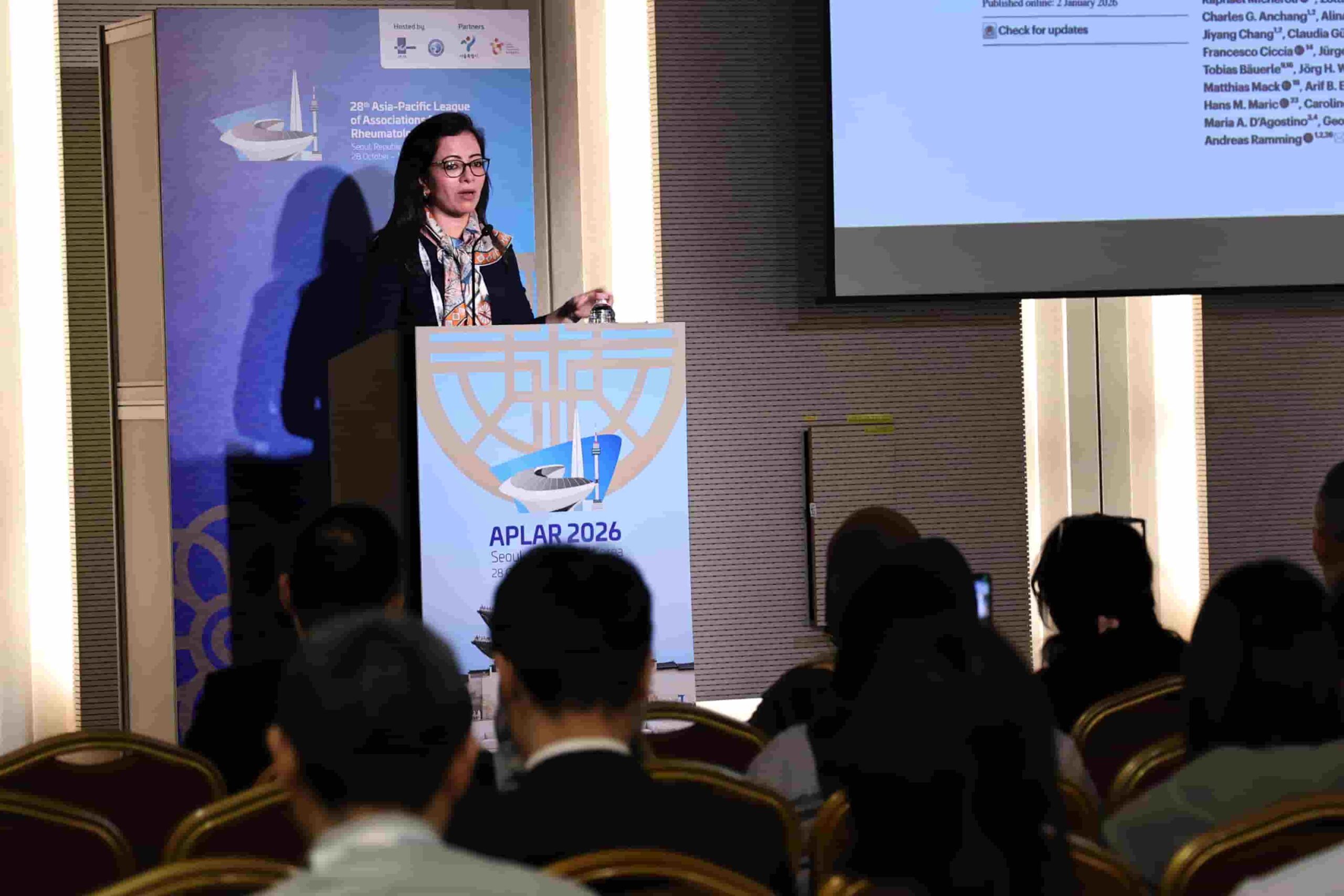
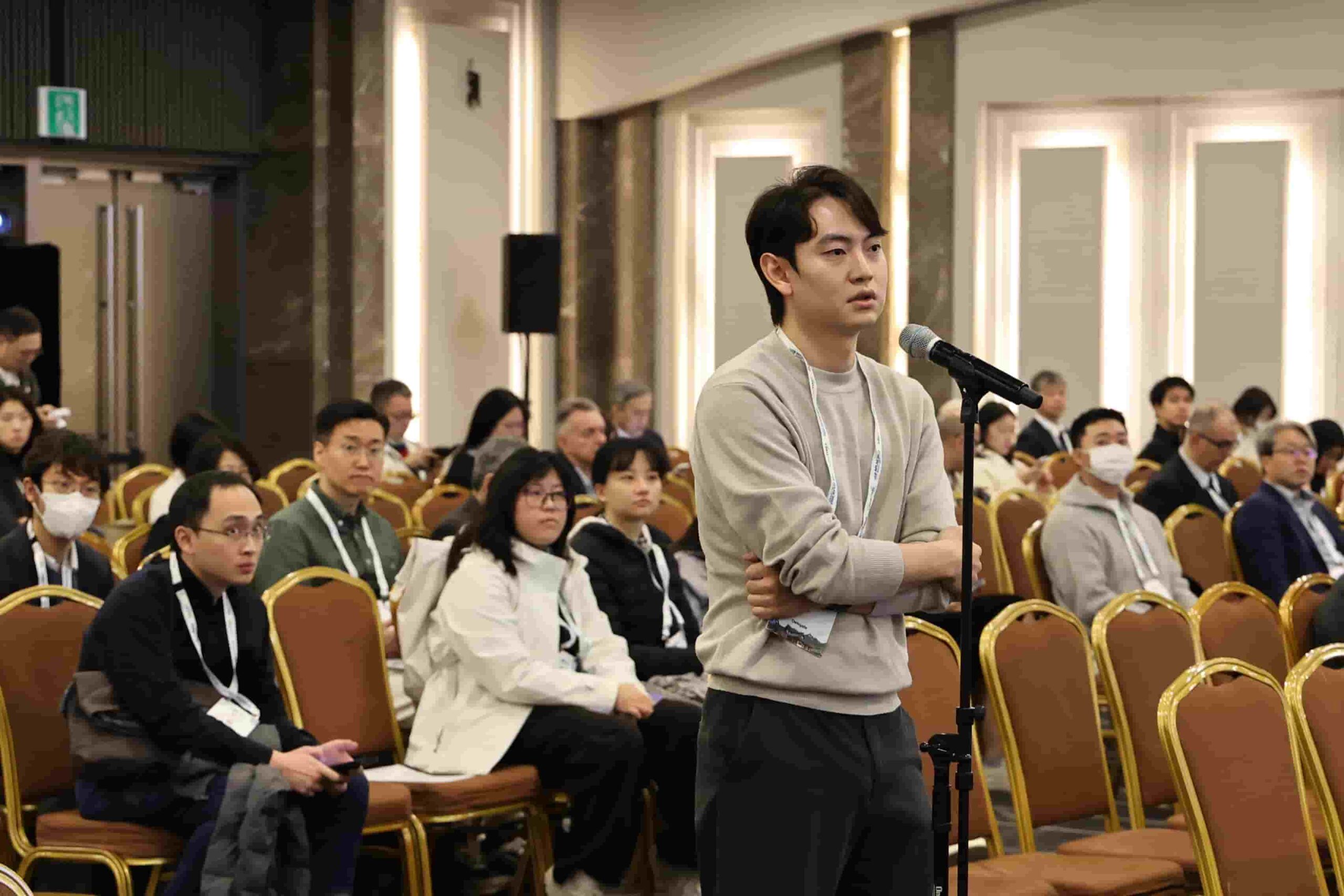
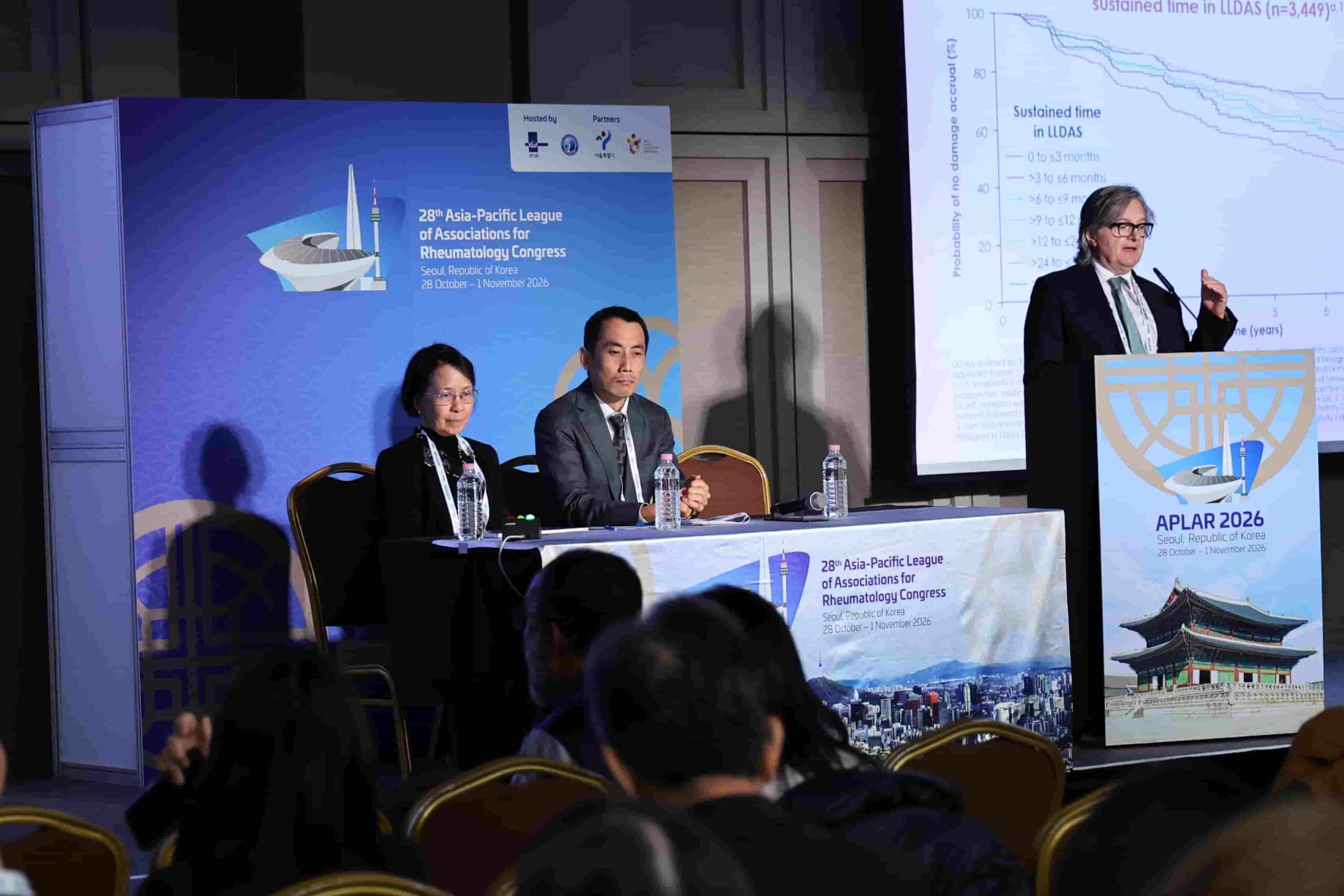




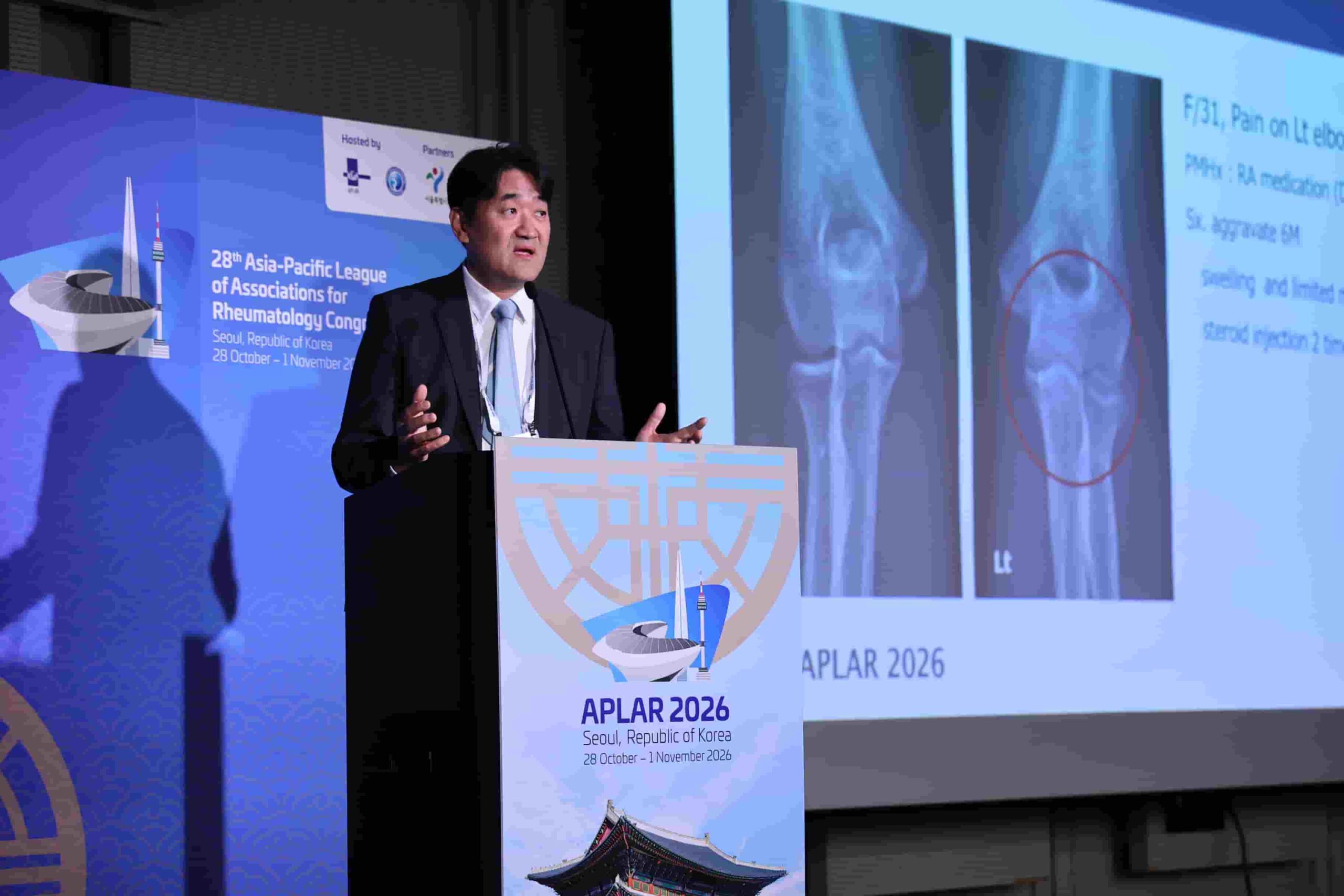
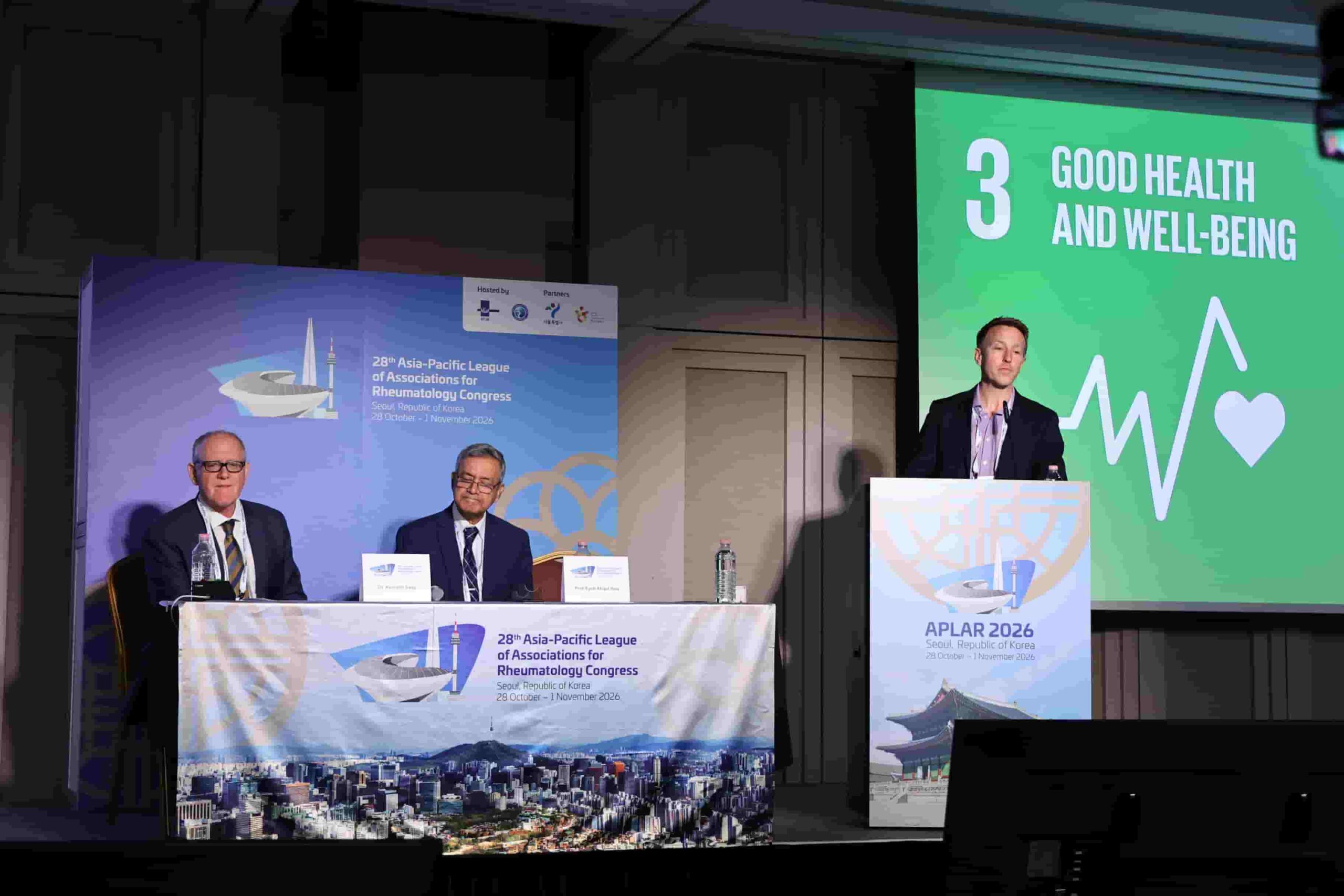
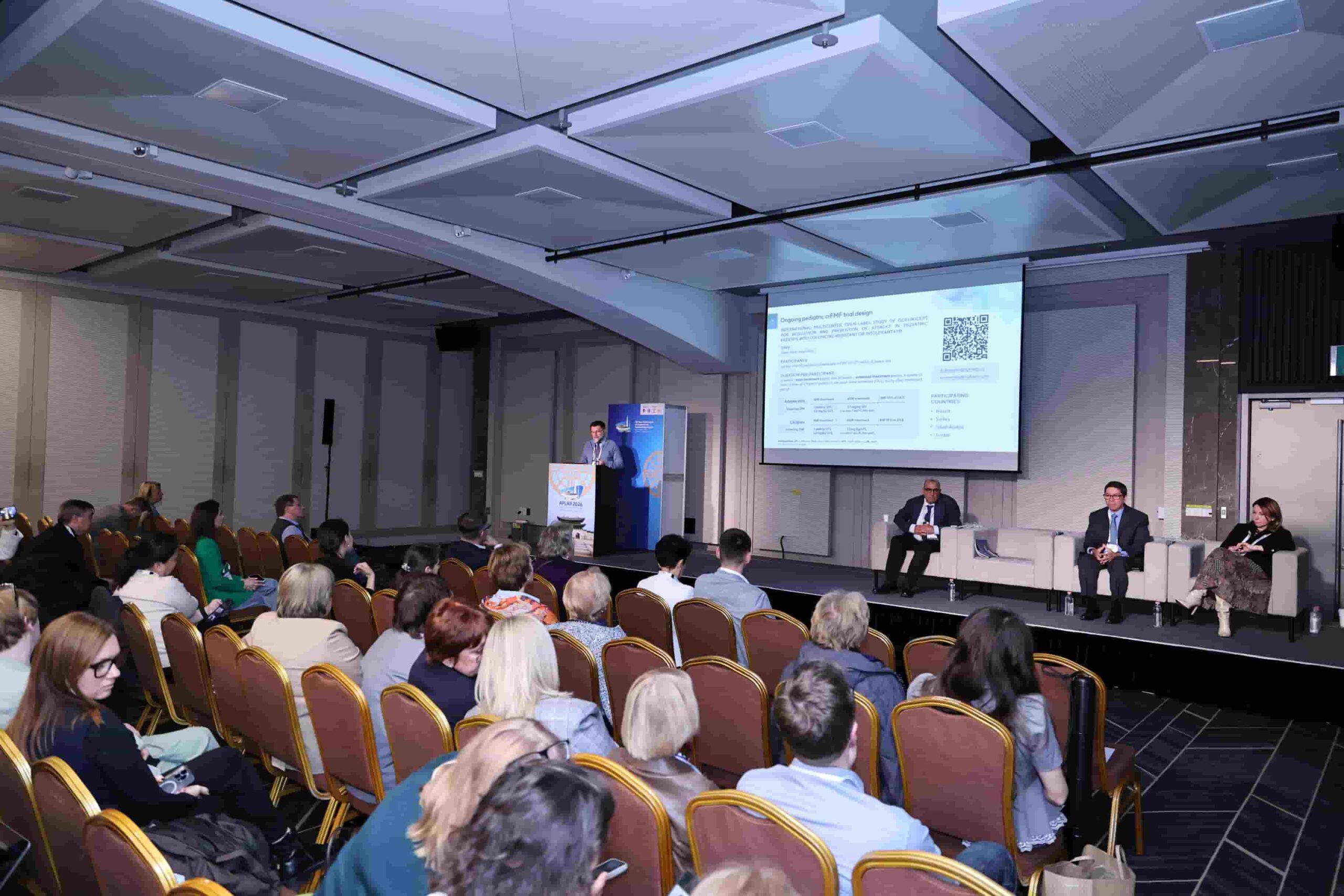


AYR Day 1 Highlights
1. Plenary session: State-of-the-Art Management of Rheumatic Diseases
- Issues in managing rheumatoid arthritis, lupus and osteoporosis were discussed with updates and studies on how to strategically use current medications based on the latest research.
- Rapid and higher dosing of methotrexate is preferred in phase 1 of rheumatoid arthritis to achieve remission, taking into consideration BMI and renal function.
- bDMARDs, in combination with methotrexate, seem to have more benefit in managing rheumatoid arthritis than bDMARD monotherapy
- Lupus management still centers around the principle of treat to target, with a recommendation to escalate treatment with belimumab, anifrolumab or anti-CD20 early, if necessary
- CAR-T therapy for lupus is very promising but follow-up information is still too short and will need more research
- Discontinuation of denosumab is associated with more rebound and increase in multiple fractures, warranting an “exit strategy” or safely continuing treatment
- Strategies with romosozumab frequency and the possibility of oral PTH has been explored, but the presence of many side effects keep them under study
- Imaging remains vital in spondyloarthritis diagnosis with a proposal for a standardized image acquisition protocol for evaluation of the sacroiliac joints via MRI to avoid overdiagnosis, which is still a trend for complaints of low back pain.
- New options being explored for measuring disease activity in spondyloarthritis include cartilage proteoglycan deposition as a sign of early disease and radiolabeled anti-TNFs which showed drug accumulation at sites of inflammation.
- Gut and joint diseases should be assessed separately with agreements and collaborations by the rheumatologist and gastroenterologist
- Treatment goals for IBD and arthritis may vary per phenotype but anti-IL17 biologics may worsen IBD and should be avoided
- Pre-clinical psoriatic arthritis is now being entertained to identify affected populations and intercept the disease early.
- IL-23 is the key initiator of enthesitis and selectively augments IL-17F, which amplifies later inflammation along with IL-17A. These may be investigated later as areas of treatment.
- Pharmacotherapy Limitations: Highly effective in disease control, yet frequently insufficient for restoring complete joint mechanics
- Surgical Intervention: A crucial therapeutic bridge to optimize health-related quality of life when medical management proves inadequate
- Indications for Surgical Referral:
- Persistent, debilitating functional deficits
- Failure of conservative management exceeding three months
- Refractory response to disease-modifying antirheumatic drugs (DMARDs) or corticosteroids
- Acute or progressive neurological compromise from nerve compression
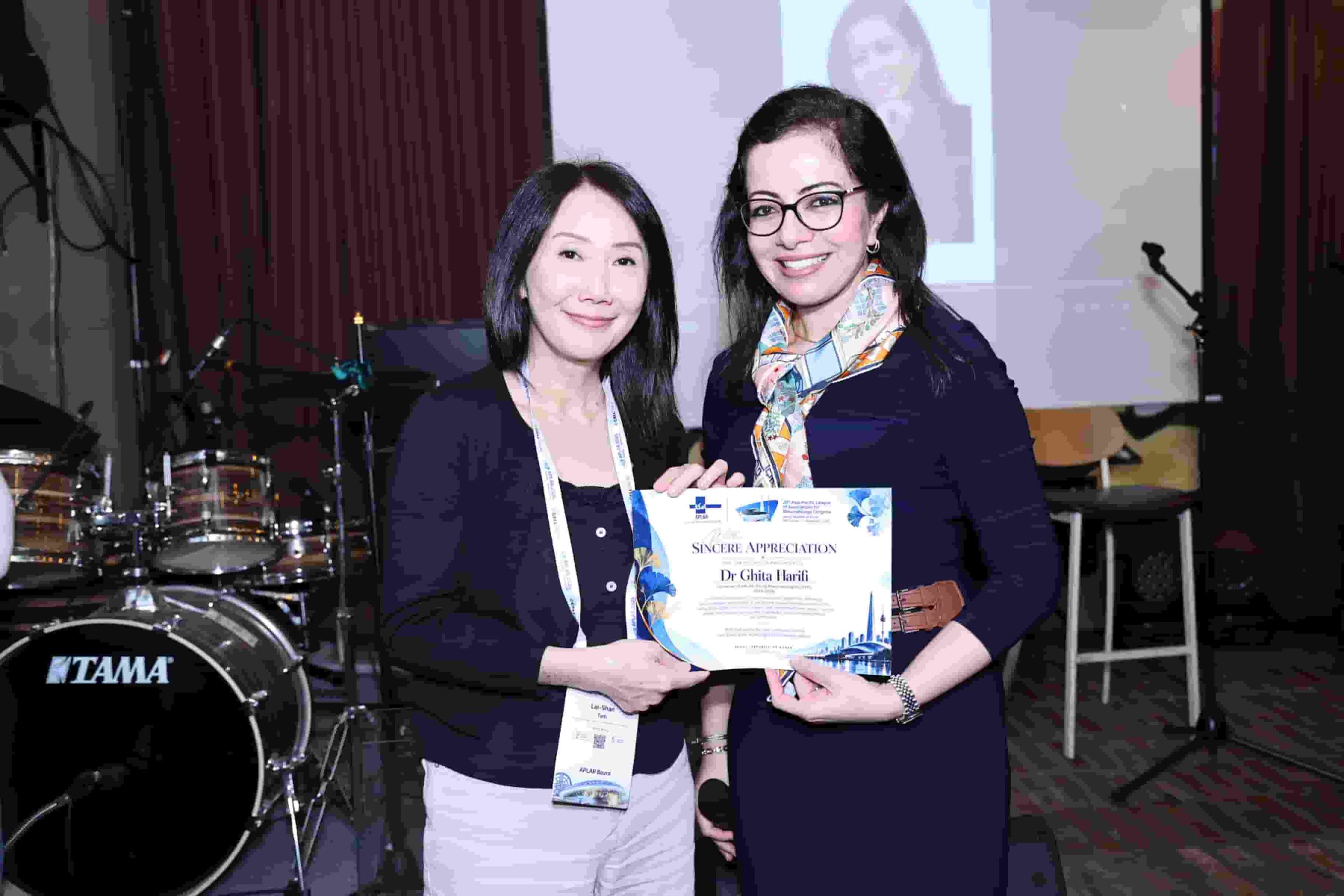





Content goes here. Please dont upload images straight from the photographer. Scale down to something like 800x600pixels because we don’t need something 2560 pixels wide. Online resizer: https://squoosh.app/editor
Photos will be released when this day is finished.



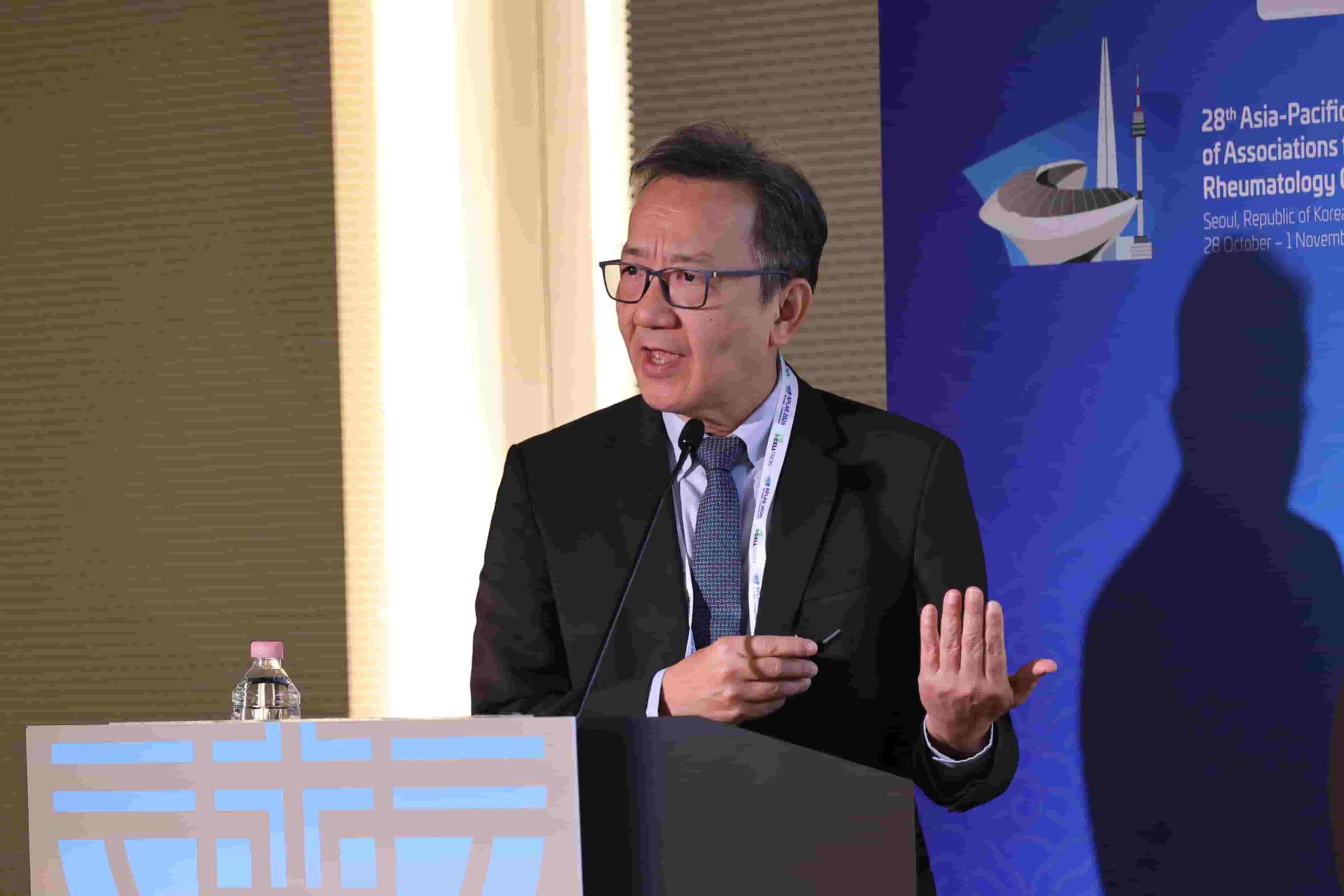

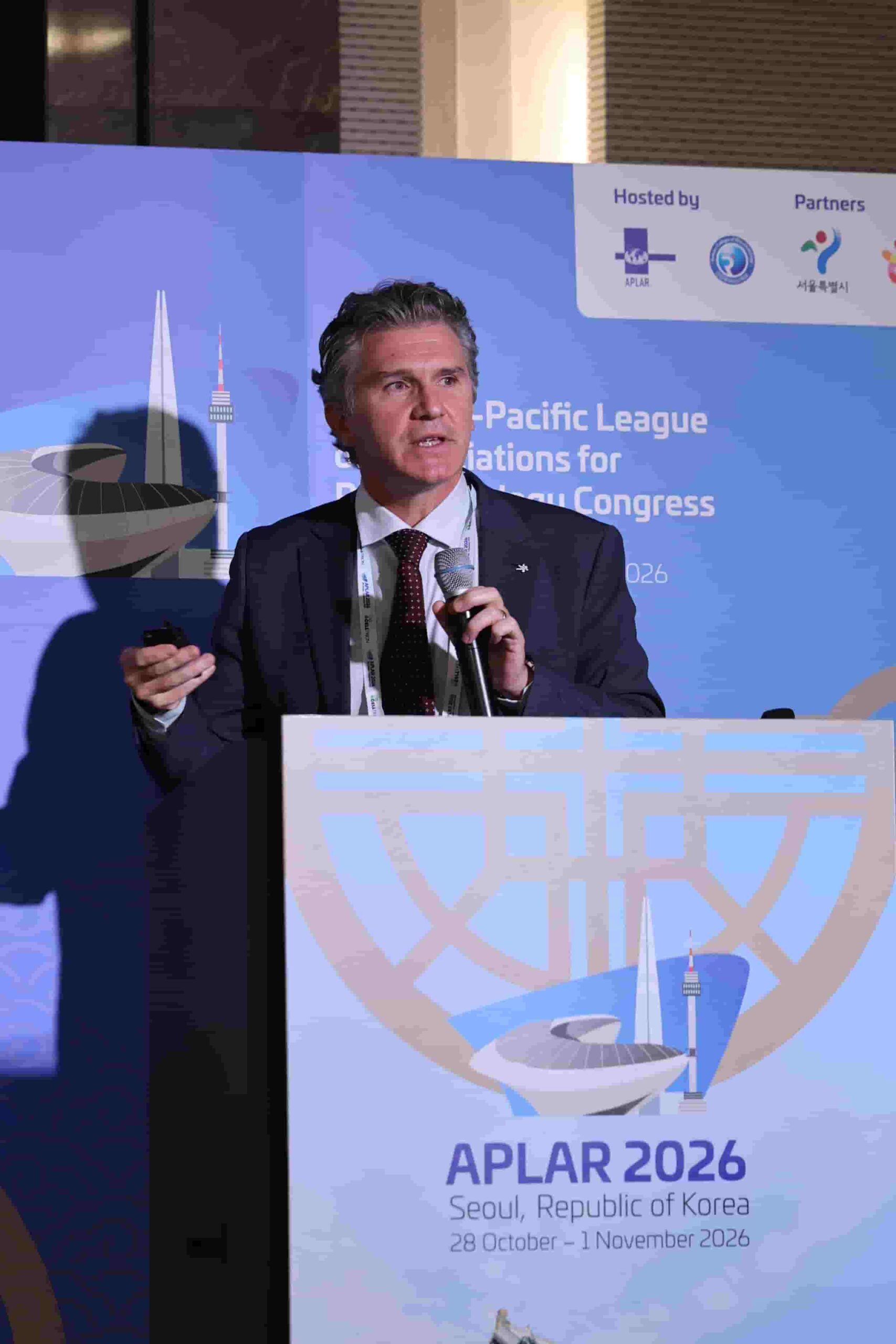


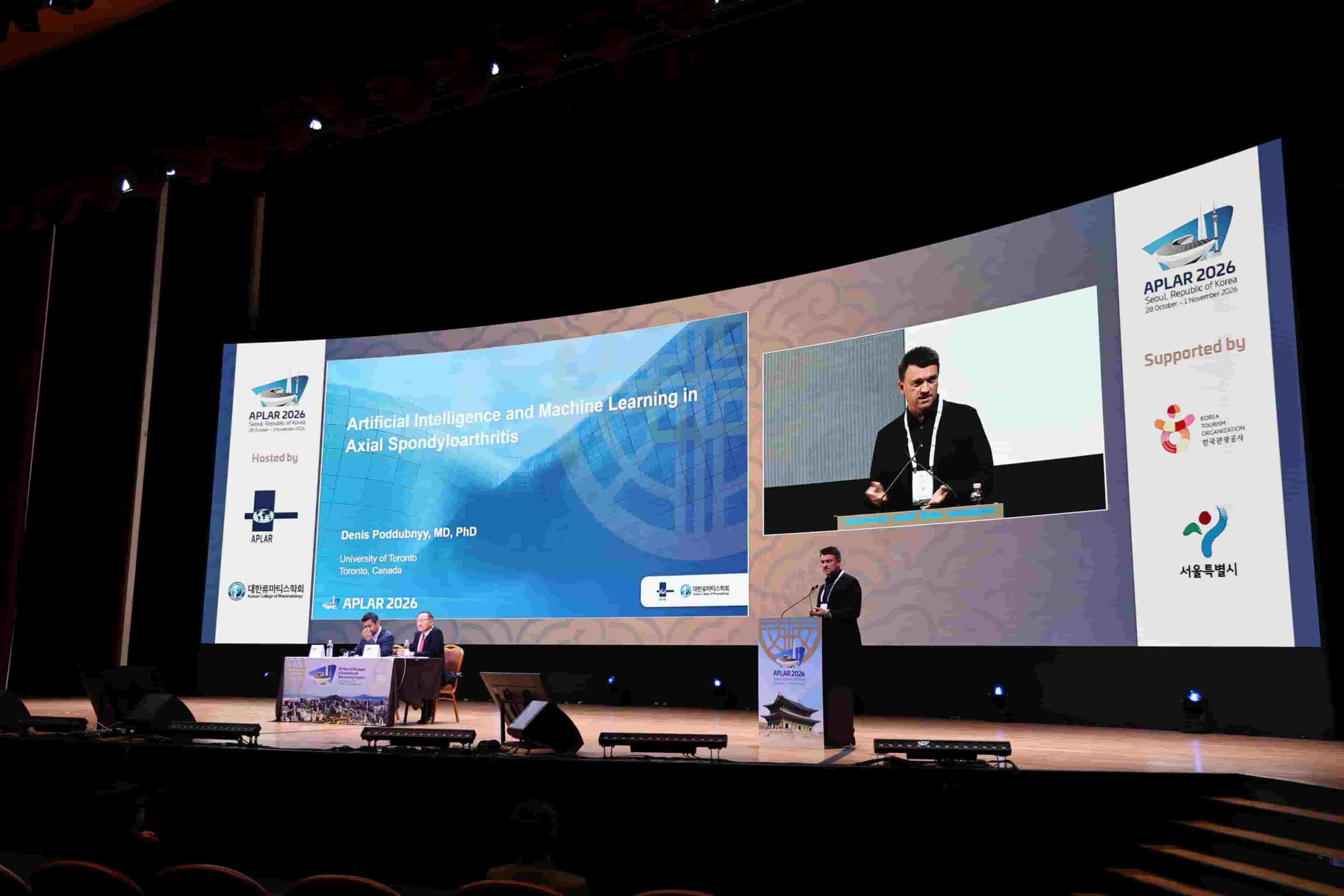
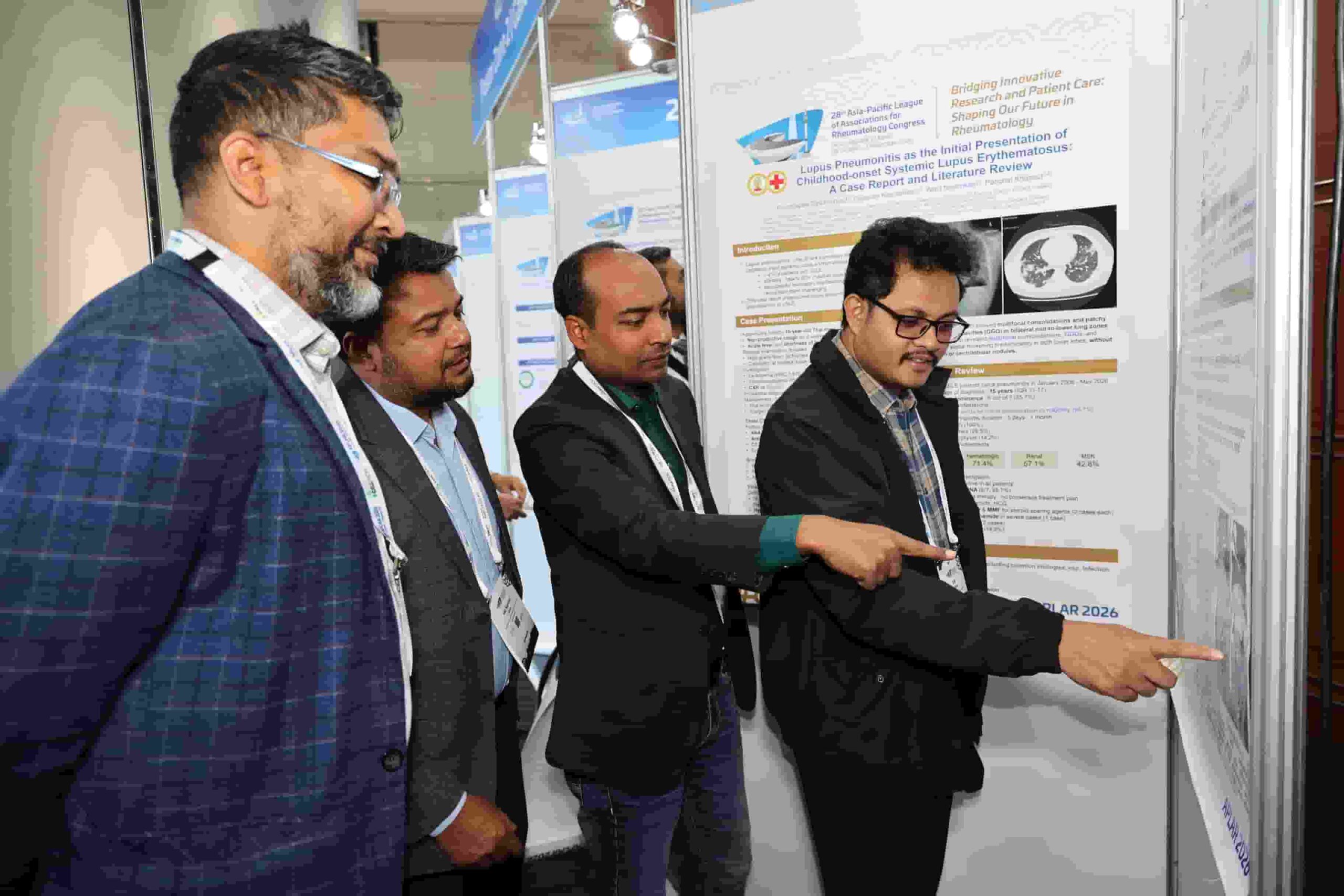




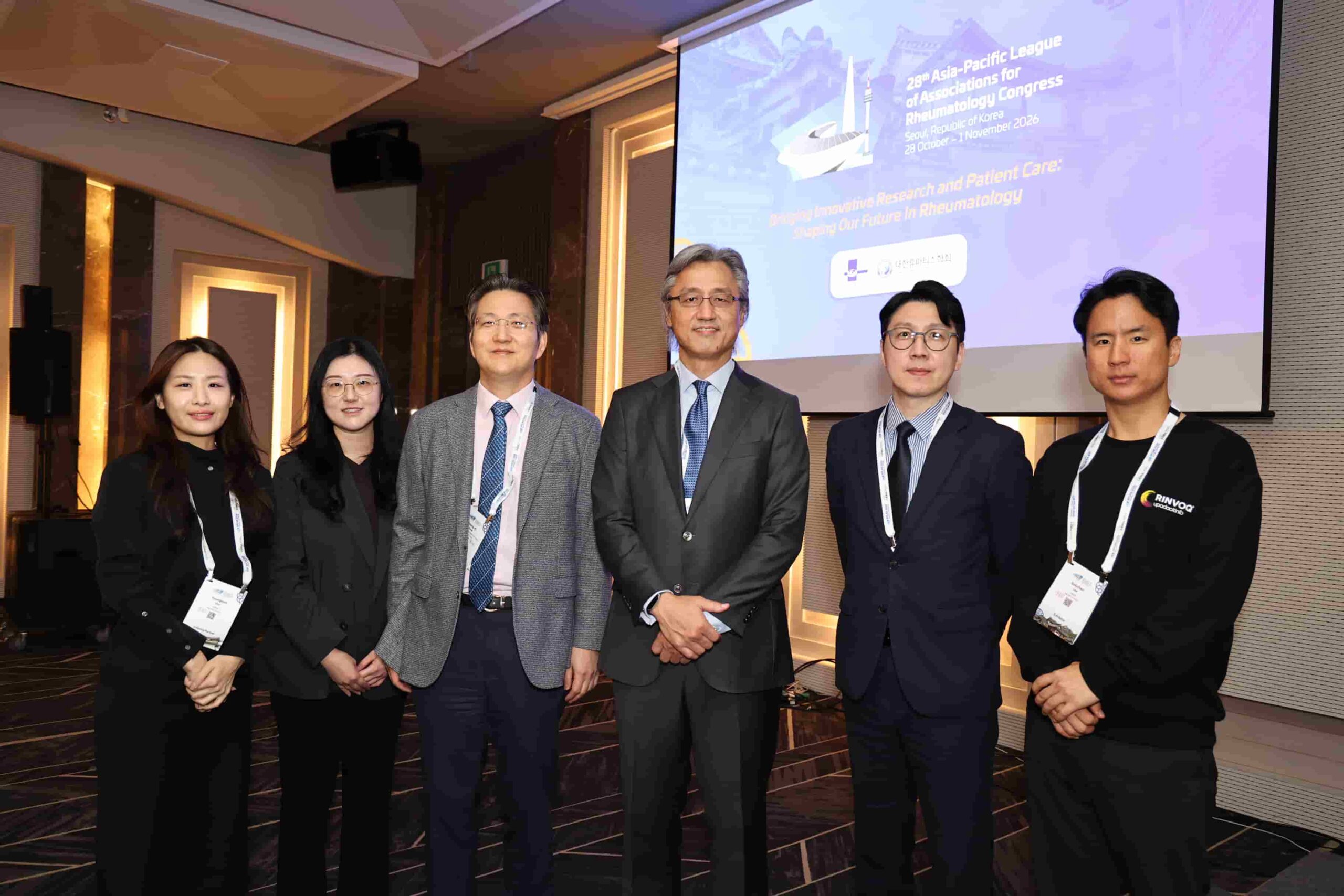



AYR Day 2 Highlights
APLAR-ACR symposium
(1) Epstein-Barr Virus Reprograms Autoreactive B Cells as APCs in SLE and Autoimmune Diseases
- EBV infection has been epidemiologically associated with SLE.
EBV-infected B cells exhibited features associated with antigen presentation. - These EBV-infected B cells had the capacity to activate autoreactive helper T cells, setting off a chain reaction where those T cells could activate other autoreactive B cells, including uninfected ones.
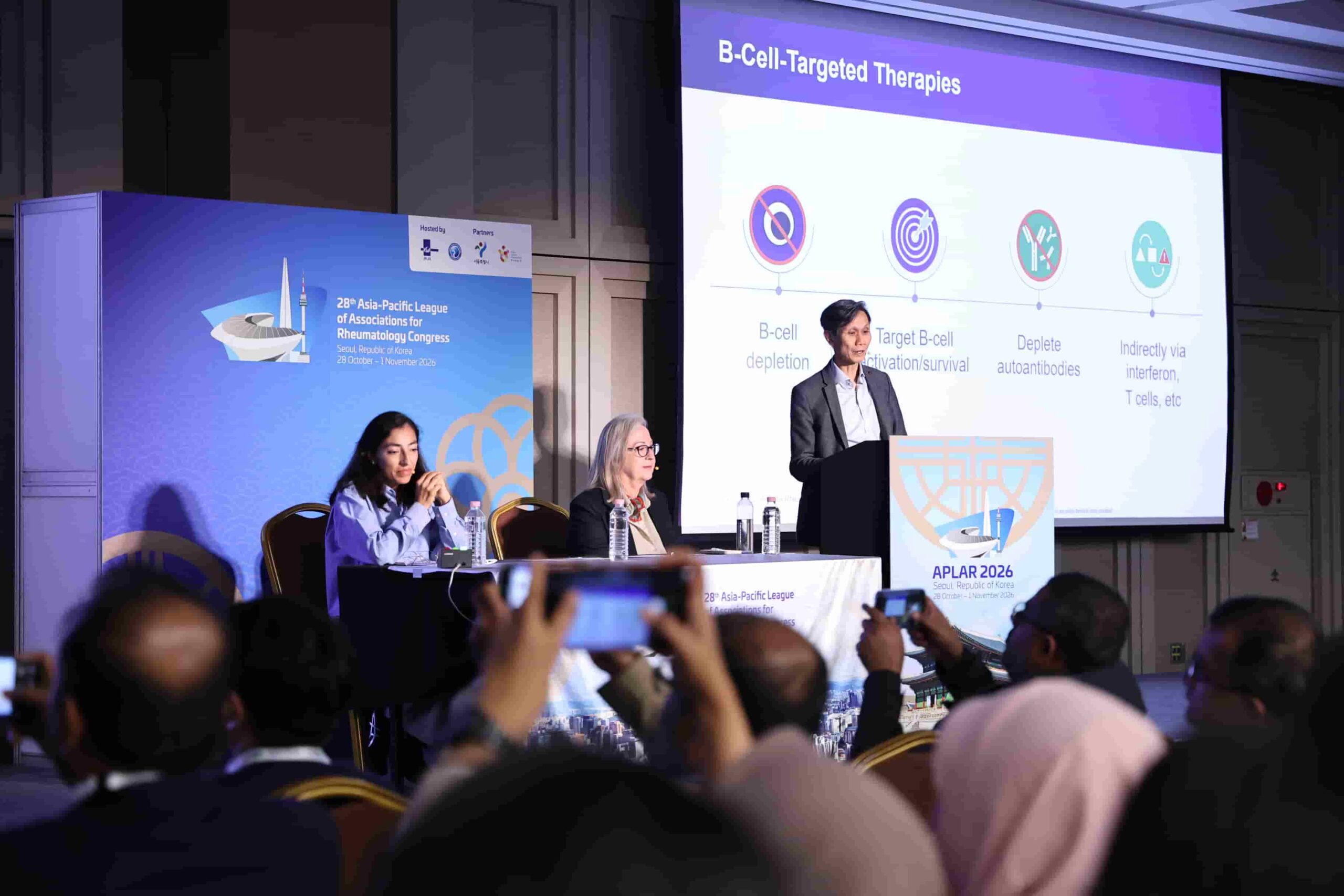
- Ultra-deep B cell depletion might provide durable drug-free remission by depleting EBV+ driver B cells.
Credit: Saori Abe, Japan
(2) Childhood Lupus:
Epidemiology and Emerging Treatments
1. SLE in children occurs around the world;
- Geographic phenotypical differences & genetic differences
- Treatments targeting specific pathways will differ accordingly
1. Consistent achievement of current treatment targets (steroid minimization, T2T) requires novel treatments
2. Precision medicine is emerging but not yet fully realized
- Combination therapy early (step down principle)
- Biologic DMARDs are shifting the treatment landscape
- Cellular therapies & immunotherapies may redefine cure vs. deep disease control
Credit: Saori Abe, Japan
(3) Scleroderma
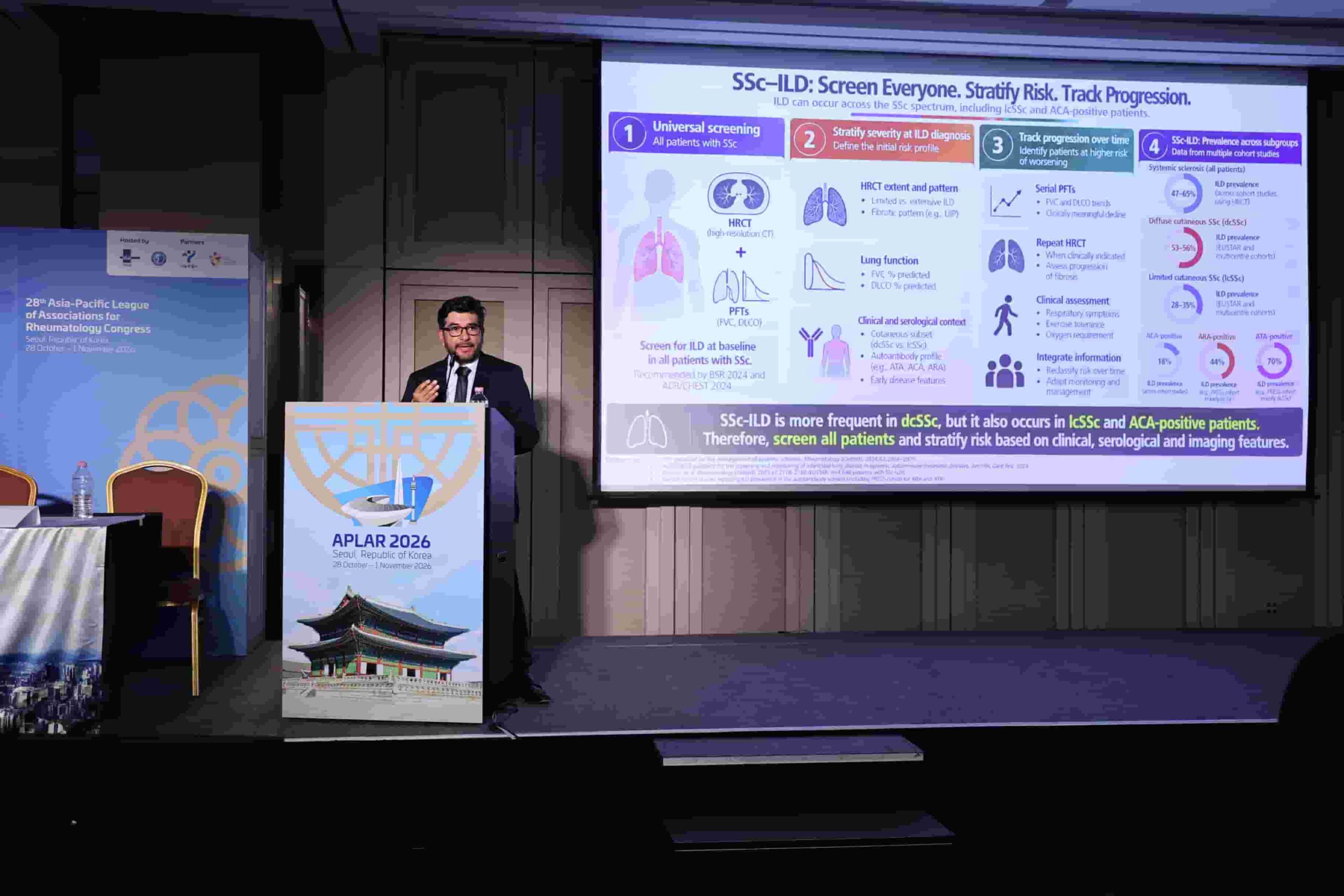
Defining disease activity in SSc – Prof. Mandana Nikpour
- Disease activity and accumulated damage are distinct, measurable constructs, and both predict mortality.
- Damage develops early, making the first years of disease a critical window for prevention.Choose the index according to the purpose: EUSTAR-AI is practical, while SCTC
- AI captures a broader range of organ involvement.
A 1-point increase in SCTC-DI was presented as clinically meaningful. Patient-reported outcomes add information beyond physician assessment.
Credit: Akerke Turebekovna, Kazahkstan
(4) Vascular disease continuum in SSc – Prof. Francesco Del Galdo
- Raynaud’s phenomenon, digital ulcers and PAH share underlying vascular remodeling, although their clinical onset differs.
- Differences in vascular anatomy and organ reserve may explain why clinically apparent complications emerge at different stages.
- DAVIX, an MR angiography-derived measure of digital arterial volume, was lower in patients with digital ulcer disease and associated with new ulcers at 12 months.
- Quantitative vascular imaging offers promising opportunities for earlier detection and monitoring, with further validation needed.
Credit: Akerke Turebekovna, Kazahkstan
(5) VEDOSS and progression to SSc – Prof. Suparaporn Wangkaew
- Raynaud’s phenomenon, puffy fingers, ANA positivity, SSc-specific autoantibodies and abnormal nailfold capillaroscopy are key features for early recognition.
- The combination of SSc-specific autoantibodies and abnormal capillaroscopy identified the highest progression risk in the cohort presented.
- Baseline DLCO <70% predicted was associated with greater progression risk; pulmonary function may decline despite otherwise stable VEDOSS features.
- Preliminary Asian cohort data suggest that early SSc may present without reported Raynaud’s phenomenon, highlighting the need to assess other suggestive clinical features.
Credit: Akerke Turebekovna, Kazahkstan
Content goes here. Please dont upload images straight from the photographer. Scale down to something like 800x600pixels because we don’t need something 2560 pixels wide. Online resizer: https://squoosh.app/editor
Photos will be released when this day is finished.





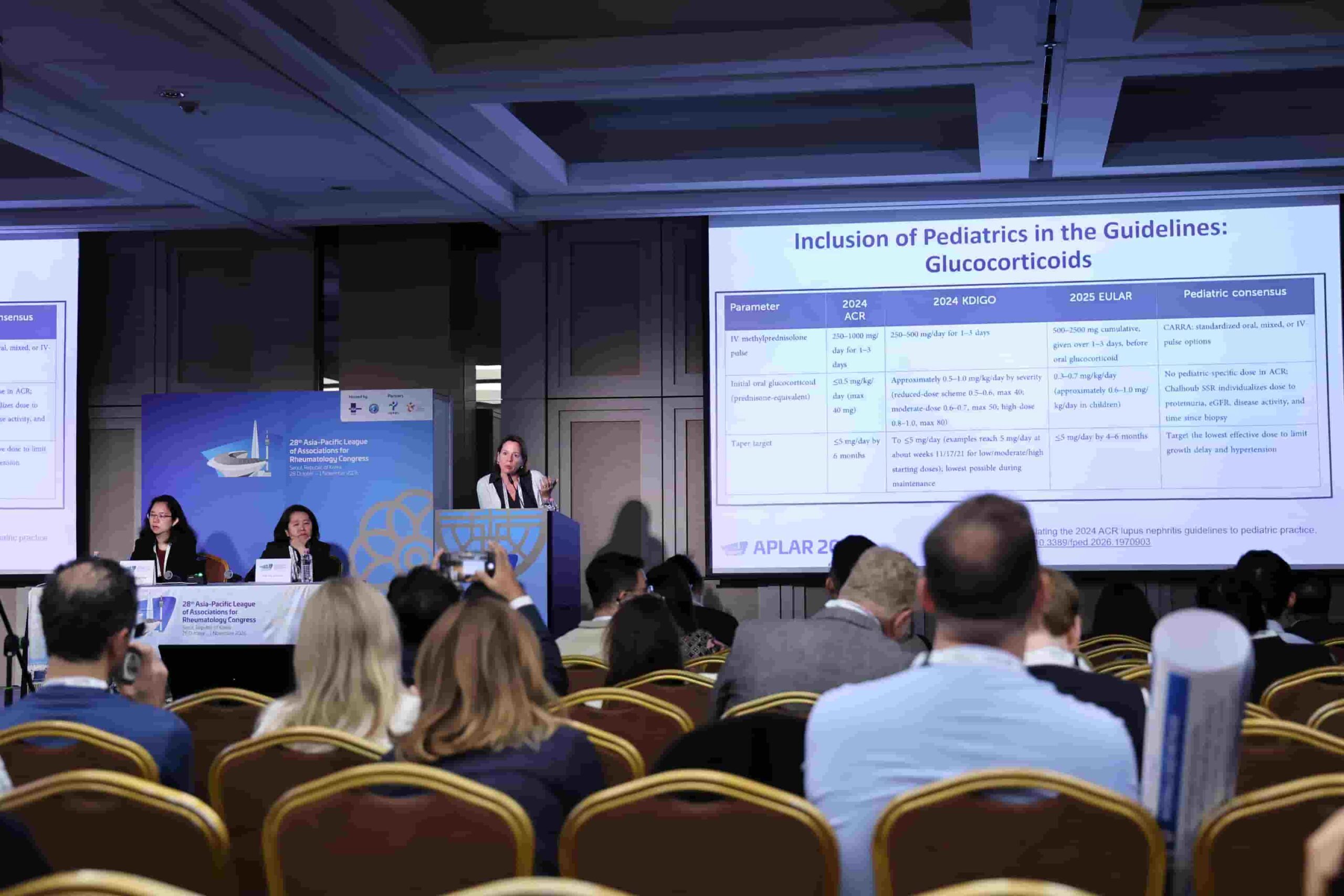
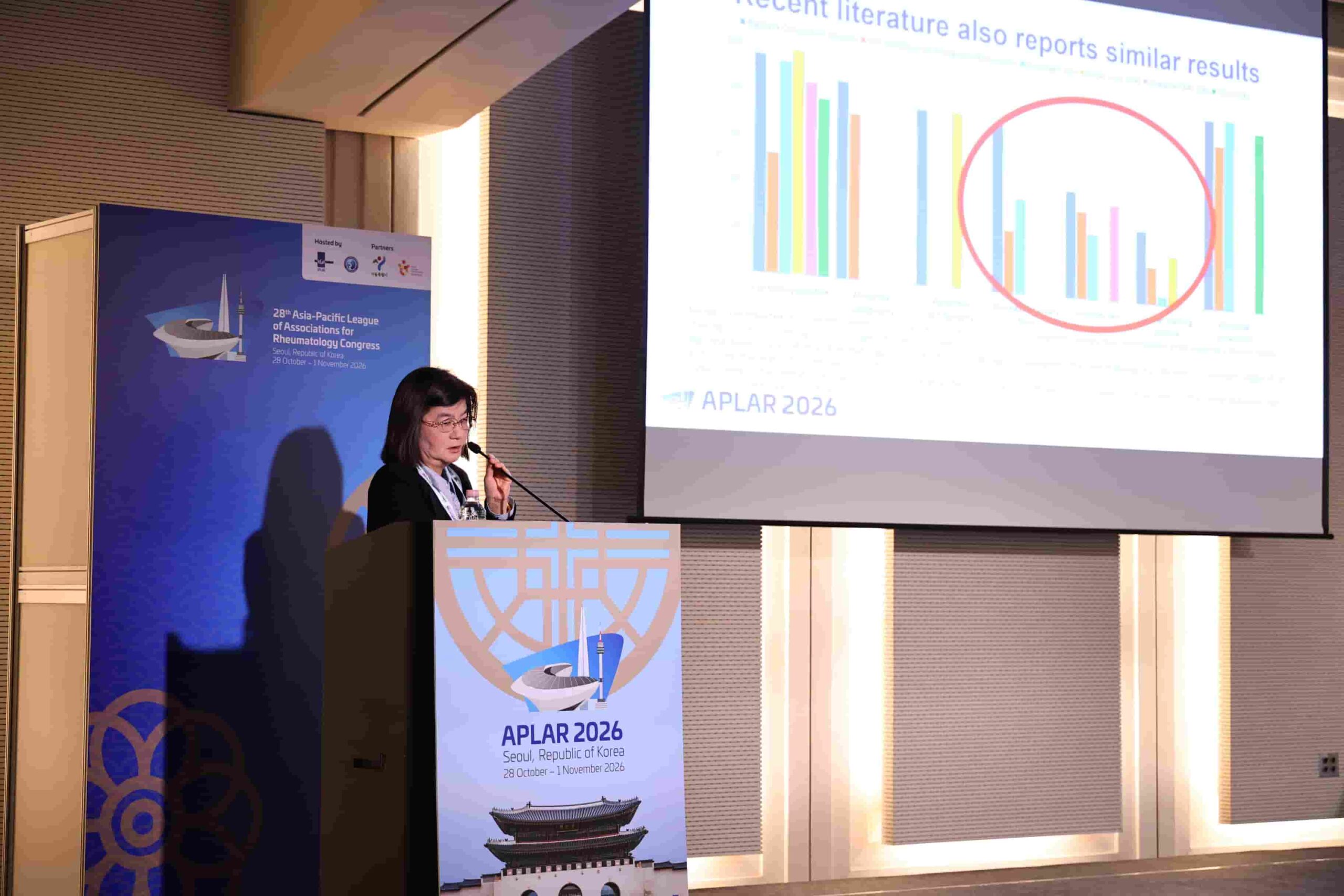
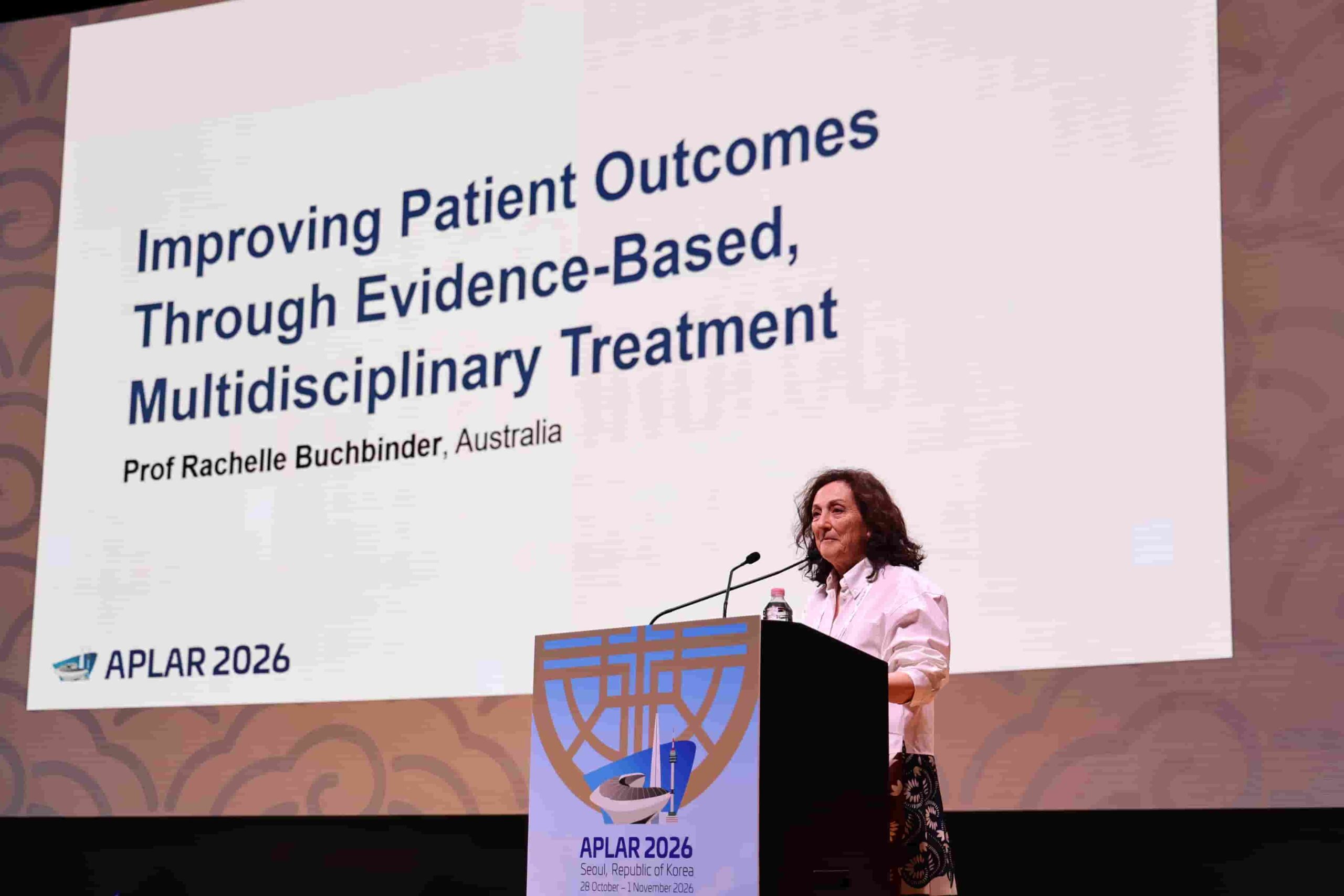
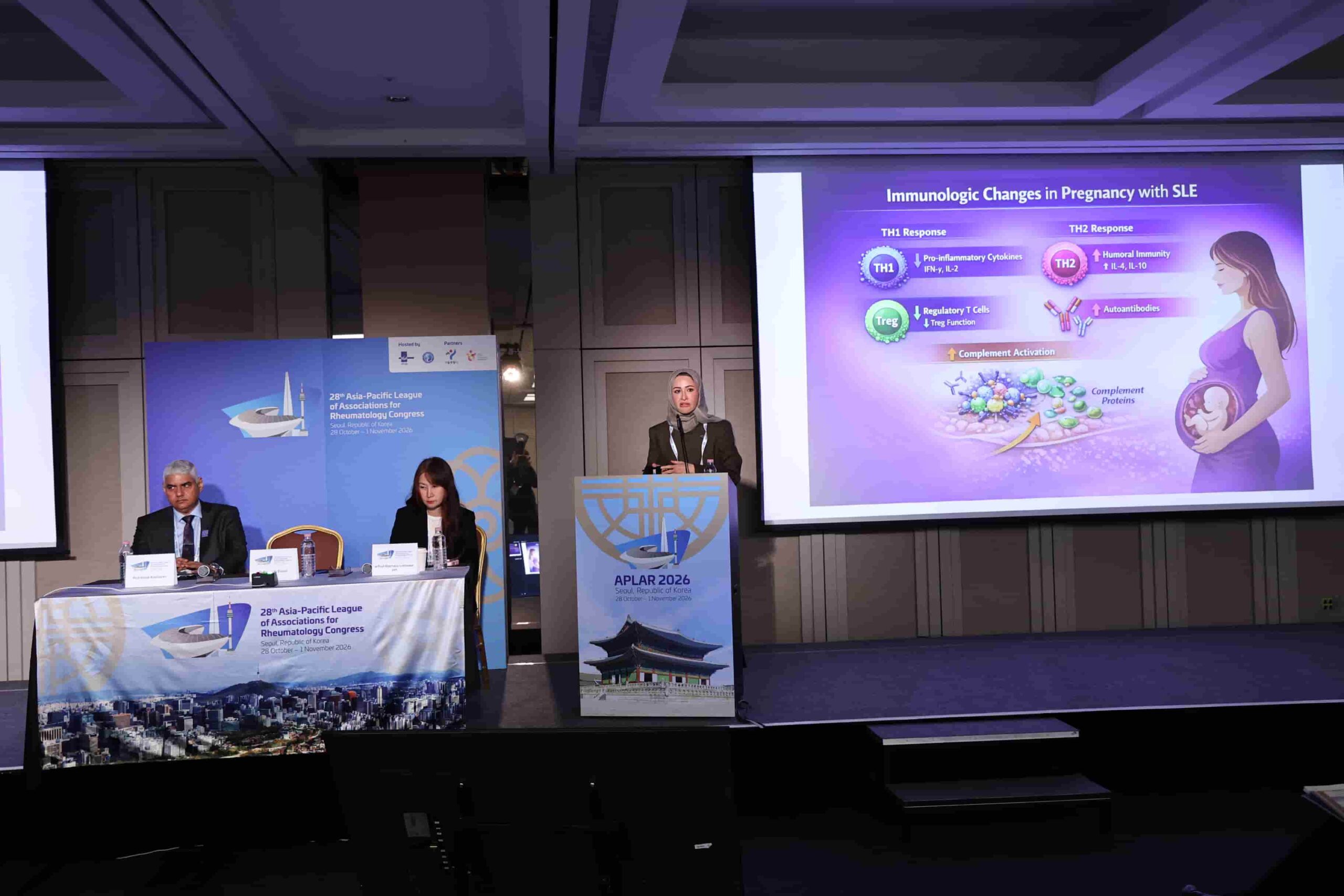

AYR Day 3 Highlights
RA Co-morbidities – The Hidden Burden
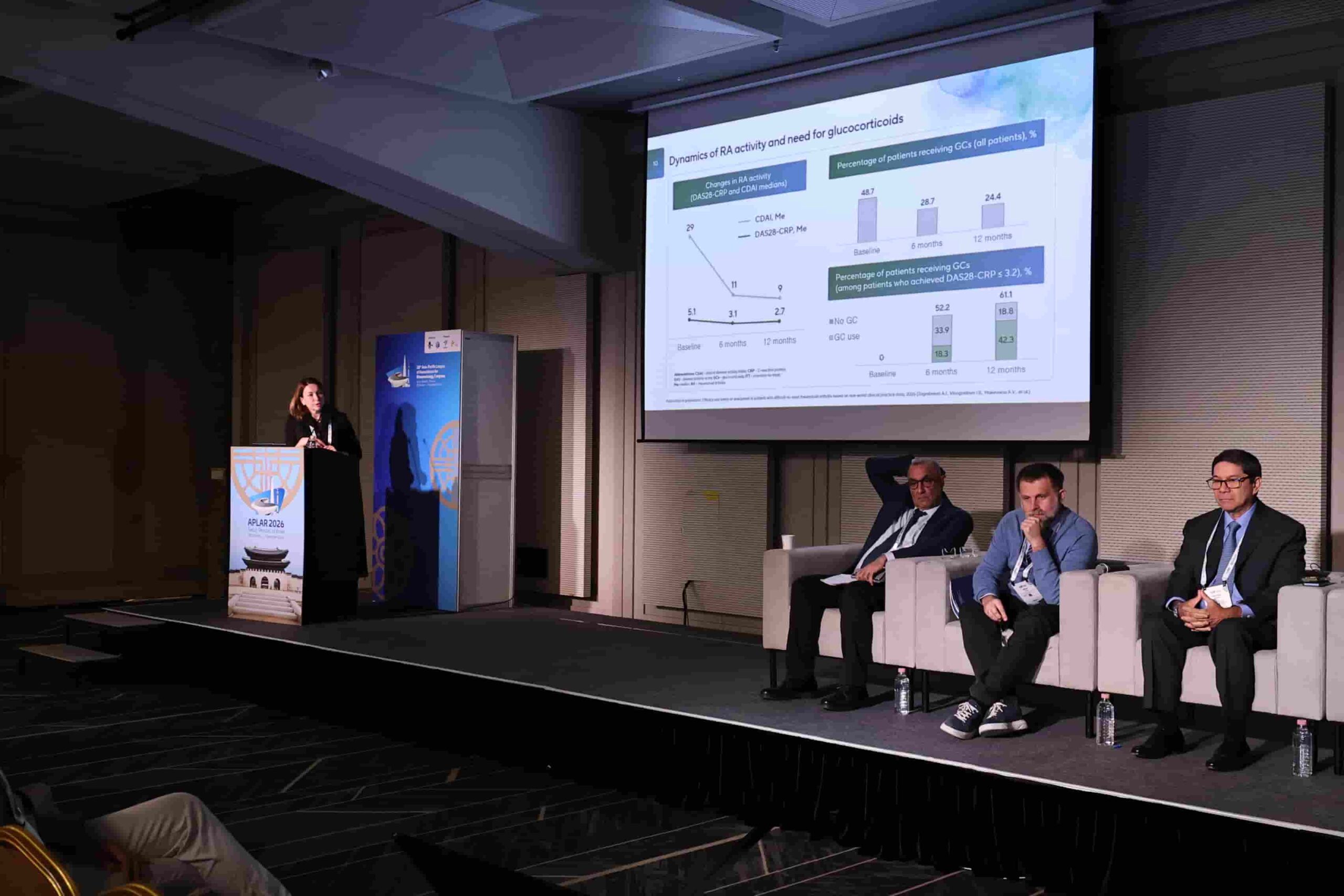
- Glucocorticoids and cardiovascular risk in RA.
Long-term and high-dose glucocorticoid use is associated with an increased risk of major adverse cardiovascular events (MACE) in patients with rheumatoid arthritis. Steroid doses ≥5 mg/day showed a significant increase in cardiovascular risk. - ORAL Surveillance: The impact of statins in RA patients
Statin use was associated with a lower risk of MACE among patients receiving tofacitinib, particularly in those with pre-existing ASCVD. These findings highlight the importance of cardiovascular risk management in RA. - Effective RA management requires a holistic approach: early detection of hidden cardiovascular risk, tight control of inflammation, individualized treatment considering GC and JAK inhibitor safety, and active management of obesity and metabolic risk factors.
Credit: Gulzhan Trimova, Kazahkstan
Enhancing the Quality of Patient Care in Rheumatology
Why is screening for tuberculosis and hepatitis B essential before initiating biologic or targeted synthetic DMARDs in patients with rheumatoid arthritis?
- Comorbidities are common in rheumatoid arthritis, including depression, gastrointestinal ulcers, cardiovascular disease, malignancy and chronic infections. Their prevalence varies considerably across countries, highlighting the importance of individualized, region-specific screening and comprehensive patient assessment.
- Patients receiving biologic and targeted synthetic DMARDs have an increased risk of infections, particularly TB reactivation. The high prevalence of hepatitis B in some Asia-Pacific populations highlights the importance of systematic screening before initiating immunosuppressive therapy.
- HBsAg screening alone misses most prior Hepatitis B exposures in patients receiving biologics, making anti-HBc testing and HBV DNA monitoring essential to prevent reactivation, especially with rituximab and abatacept
- Before starting any DMARD or glucocorticoid therapy, comprehensive pre-screening for latent infections (including TB, Hepatitis B using both HBsAg and anti-HBc, Hepatitis C, HIV, and considerations like Strongyloides) is critical at diagnosis, yet documentation remains low.
- Vaccination guidelines from ACR and EULAR emphasize routine immunization (such as influenza, pneumococcal, and zoster vaccines) during immunosuppression or quiescent disease, while noting low patient coverage rates that strongly benefit from direct doctor recommendations.
- Comprehensive RA care starts at diagnosis. Beyond controlling joint inflammation, rheumatologists must address cardiovascular risk, infections, malignancy, osteoporosis, pain and mental health.
Credit: Gulzhan Trimova, Kazahkstan
How to Treat Sjögren Disease (SjD)
(1) How to manage dryness in SjD: Perspectives from rheumatologists
Can molecularly targeted therapies address the unmet medical needs related to dryness in patients with SjD?
- In Japan, the key unmet medical needs of patients with SjD were dryness, fatigue, and the development of safe and effective treatments.
- Cross-talk between epithelial cells, innate immune cells, and adaptive immune cells plays a critical role in the pathogenesis of SjD and is considered a potential therapeutic target.
- Recent phase III clinical trials of ianalumab (an anti-BAFF receptor antibody), dazodalibep (a CD40L antagonist), and telitacicept (a recombinant fusion protein of TACI and the Fc portion of IgG) have demonstrated improvements in ESSDAI scores in patients with SjD.
(2) How to manage dryness of SjD, perspectives from dentists specializing in xerostomia
- Reduced saliva causes a range of oral problems, beyond dryness.
- With continued use, the benefit of muscarinic agonists may increase over 6-12 months.
- Gradual dose escalation and the mouth-rinse method may help reduce side effects.
(3) How to manage kidney disease in SjD?
- Tubulointerstitial nephritis (TIN) is the most frequent form of kidney involvement in primary SjD.
- TIN/RTA spans a wide spectrum—it is not always benign, and long duration risks permanent renal loss.
- Management Strategy…Mild (Normal GFR, low ESSDAI): Potassium + Alkali replacement. Severe (GFR <90, high IgG/ESSDAI, infiltrates): Steroids ± Immunosuppressants (HCQ base).
(4) How to manage extra-glandular manifestations of SiD, especially pulmonary diseases in SjD
- ILD in pSjD is associated with premature mortality.
- Screening using HRCT for high risk (ex. old age,male) pSjD patients for the development ILD
- Optimal Initial work up and regular monitoring
- Treatment: Mycophenolate mofetil, azathioprine, glucocorticoids, rituximab, cyclophosphoamide, nintedanib (in case of PPF)
(5) How to Diagnose and Manage Sjögren’s Disease in Children and Adolescents
Sjögren’s disease (SjD) is not rare in children.
- Most pediatric patients with SjD do not present with sicca symptoms.
- Pediatric patients are likely to be at an early stage of the disease course.
- Early diagnosis and long-term follow-up are essential for the management of pediatric SjD.
(6) Patient and Public Involvement in SjD
Why Patient’s Voice Matters in Sjögren’s Disease
- Reduced QoL: Multi-dimensional burden (dryness, psychological, sleep, physical/sexual dysfunction).
- Increased Mortality: Driven by CV, infections, ILD, and hematologic malignancies.
- High Lymphoma Risk: 14-fold increase vs. general population.
- Financial Burden: Frequent healthcare utilization.
Credit: Saori Abe, Japan, Benjamin Sachdev Singh, Malaysia
SIG: Osteoporosis
- Continuation or discontinuation of denosumab was discussed, with a suggestion to continue denosumab for 10 years or to switch to zoledronic acid, with the first dose ideally to be given within the first 6 months after discontinuation of denosumab.
- It was also proposed that only continuing denosumab will solve the problem of its rebound effect, since bisphosphonates only affect osteoclasts and anabolics only affect osteoblasts
- Choices of therapy for high to very high risk fractures focused on denosumab and anabolics, particularly romosozumab. Fracture sites will definitely affect treatment choice, as well as cardiac risk, especially if romosozumab is being considered as treatment.
- For very high risk fractures, the STRUCTURE and ARCH/FRAME trials supported the use of romosozumab followed by alendronate. However, romosozumab followed by denosumab offered the best results compared to alendronate after romosozumab versus alendronate alone versus romosozumab alone.
- A study in Canada also supported the justification of early use of anabolic treatment, particularly teriparatide, with a greater lifetime effect and lower healthcare costs over time
- The topic on AI and bone health discussed how bone densitometry scans and FRAX fall short in assessing bone health in rheumatologic diseases. CT attenuation is being explored, along with AI, to get a better general image of bone health. Some studies have shown some benefit for lupus, rheumatoid arthritis and spondyloarthritis.
Credit: Ma. Hanna Monica Sollano, Philippines, Jed Ryan T. Salazar, Philippines
Scleroderma
Defining disease activity in SSc – Prof. Mandana Nikpour
- Disease activity and accumulated damage are distinct, measurable constructs, and both predict mortality.
- Damage develops early, making the first years of disease a critical window for prevention.
- Choose the index according to the purpose: EUSTAR-AI is practical, while SCTC-AI captures a broader range of organ involvement.
- A 1-point increase in SCTC-DI was presented as clinically meaningful. Patient-reported outcomes add information beyond physician assessment.
Vascular disease continuum in SSc – Prof. Francesco Del Galdo
- Raynaud’s phenomenon, digital ulcers and PAH share underlying vascular remodeling, although their clinical onset differs.
- Differences in vascular anatomy and organ reserve may explain why clinically apparent complications emerge at different stages.
- DAVIX, an MR angiography-derived measure of digital arterial volume, was lower in patients with digital ulcer disease and associated with new ulcers at 12 months.
- Quantitative vascular imaging offers promising opportunities for earlier detection and monitoring, with further validation needed.
VEDOSS and progression to SSc – Prof. Suparaporn Wangkaew
- Raynaud’s phenomenon, puffy fingers, ANA positivity, SSc-specific autoantibodies and abnormal nailfold capillaroscopy are key features for early recognition.
- The combination of SSc-specific autoantibodies and abnormal capillaroscopy identified the highest progression risk in the cohort presented.
- Baseline DLCO <70% predicted was associated with greater progression risk; pulmonary function may decline despite otherwise stable VEDOSS features.
- Preliminary Asian cohort data suggest that early SSc may present without reported Raynaud’s phenomenon, highlighting the need to assess other suggestive clinical features.
Credit: Akerke Turebekovna, Kazahkstan
Content goes here. Please dont upload images straight from the photographer. Scale down to something like 800x600pixels because we don’t need something 2560 pixels wide. Online resizer: https://squoosh.app/editor